For much of history, Jewish law and custom pointed clearly toward traditional in-ground burial. Today, as cremation becomes more common across the United States, many Jewish families are asking how this choice fits within their faith, their values, and their sense of tradition.
At
Hillside Memorial Park and Mortuary, we believe families deserve clear, compassionate information rather than judgment. Understanding the range of perspectives on Jewish cremation can help families make a decision that honors both their loved one and their beliefs.
The Traditional Jewish View
Traditional Jewish law, or halacha, calls for burial of the body in the earth. This practice rests on several deeply held beliefs. The Torah teaches that the human body, created in the image of God, should be returned to the earth naturally, as expressed in the verse, for dust you are, and to dust you shall return. Traditional Judaism also affirms a belief in the future resurrection of the dead, and in-ground burial is understood to honor that belief. For these reasons, Orthodox Judaism and, in most cases, Conservative Judaism do not permit cremation.
The Weight of History
For many Jewish families, the subject of cremation also carries the weight of history. The atrocities of the Holocaust, in which the remains of millions were burned, left a lasting wound in Jewish collective memory. For some, this history makes cremation especially painful to consider. It is important for families to acknowledge these feelings, whatever they may be, and to know that grief and heritage are a natural part of the conversation.
A Spectrum of Modern Perspectives
Jewish life today spans a spectrum of belief and practice, and views on cremation vary among its movements. Orthodox Judaism maintains the traditional prohibition. Conservative Judaism strongly discourages cremation, and most of its rabbis will not officiate at a cremation service, though pastoral care is still offered to grieving families. Reform Judaism, which emphasizes personal autonomy in religious decisions, permits families to choose cremation, and Reform rabbis may participate in accompanying memorial services. Reconstructionist Judaism generally leaves the decision to individual conscience as well. Understanding where a family's own community stands can be a helpful starting point.
These differences reflect the broader diversity of Jewish belief about the body, the soul, and what happens after death, and they have developed over many generations of scholarship and communal life.
Why Some Families Choose Cremation
Families consider cremation for many reasons. Some are drawn to its simplicity or its lower cost. Others cite environmental considerations, personal wishes expressed by the deceased, or a desire to keep or scatter remains in a meaningful place. In interfaith families, differing traditions may also shape the decision. These are sincere and understandable considerations, and Hillside approaches every family's situation with respect and without judgment.
Cremation in a Changing Landscape
Across the United States, cremation has become increasingly common in recent decades, and Jewish families are part of that broader shift. Rising costs, changing family structures, geographic distance, and evolving personal beliefs all contribute to the trend. At the same time, many Jewish families continue to choose traditional burial, and a growing number are drawn to natural or green burial that echoes ancient practice. Understanding this changing landscape can help families feel less alone in their deliberations, knowing that others are weighing the same questions with equal care.
Honoring a Loved One With Dignity
Whatever a family decides, the Jewish emphasis on honoring the deceased, kavod hamet, remains a meaningful guide. Families who choose cremation can still create a service filled with tradition and meaning, including eulogies, Psalms, the Mourner's Kaddish, and the observance of
mourning customs such as shiva. Many families choose to inter cremated remains in a dedicated cemetery setting, providing a permanent place for loved ones to visit and remember, much as they would at a traditional grave. The presence of ritual, community, and shared memory can bring real comfort regardless of the form the final arrangements take.
Cremation Services at Hillside
Hillside Memorial Park and Mortuary offers
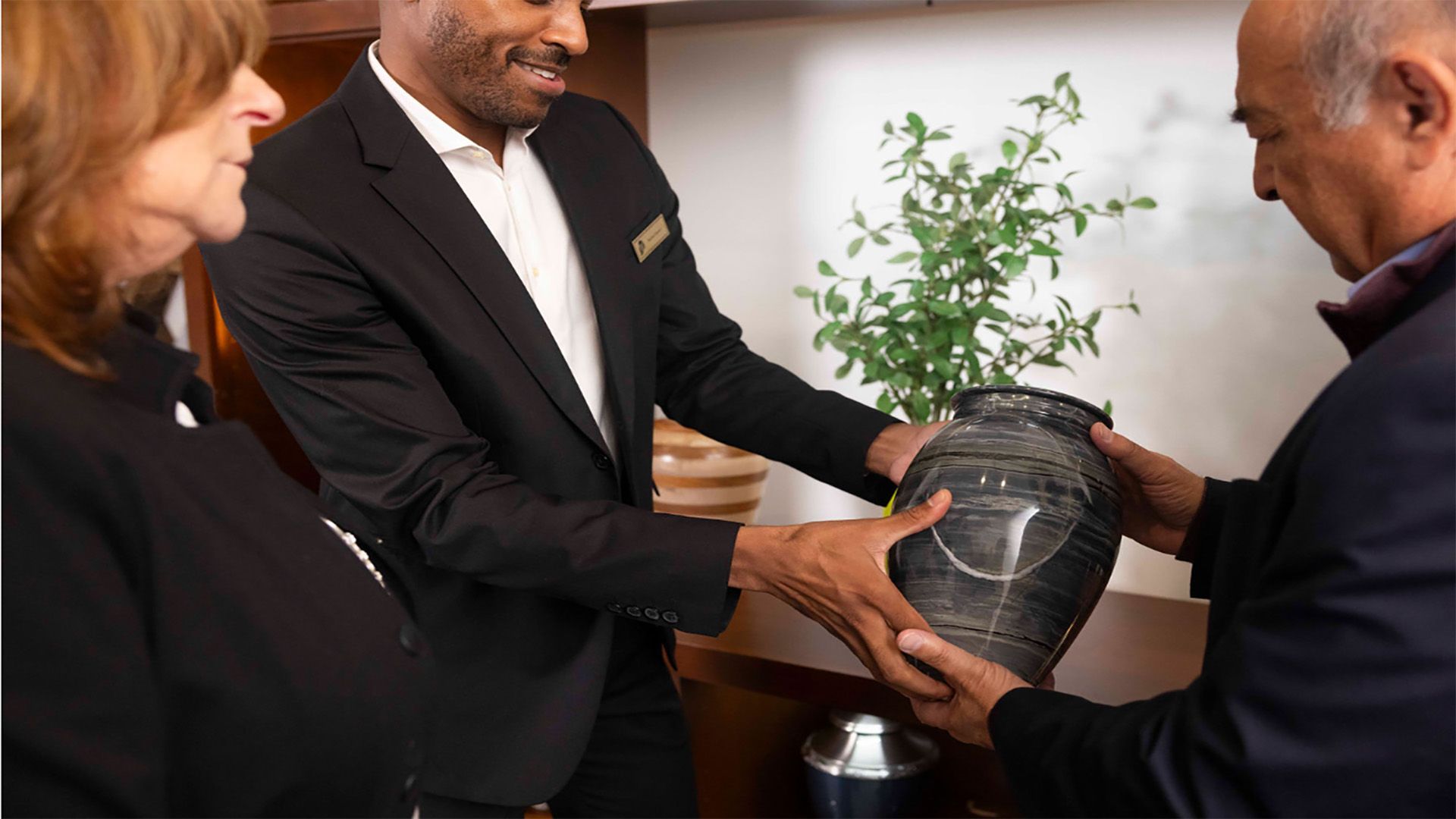
Concierge Cremation with a wide range of thoughtful, customizable options. We provide dignified care at every step, whether a family wishes to combine cremation with a memorial gathering, a private family observance, or interment of remains within our grounds. Our
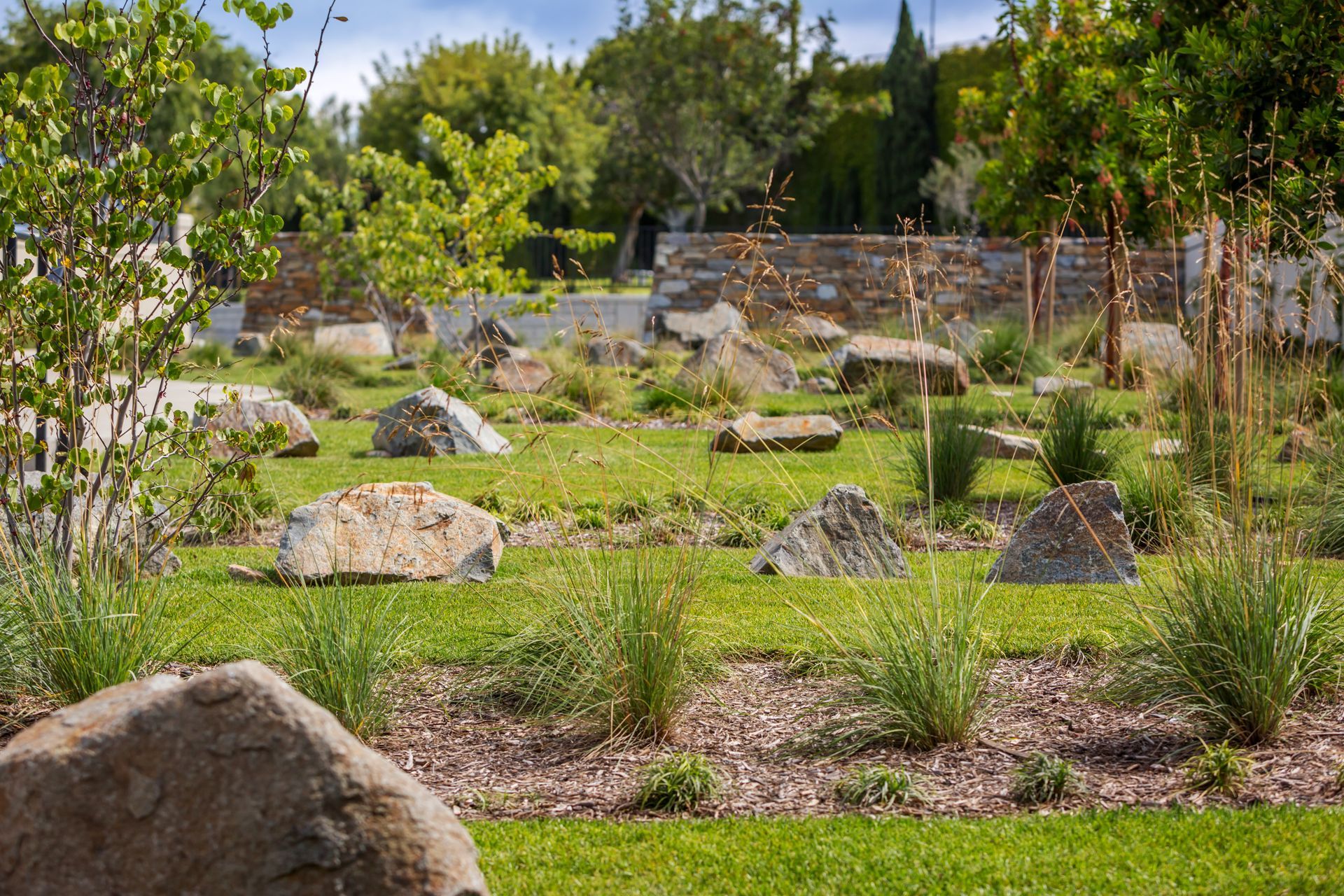
cemetery options include settings designed to give families a lasting and beautiful place for remembrance.
Questions Worth Considering
Families facing this decision often find it helpful to reflect on a few key questions. What would the person who died have wanted? What are the beliefs and expectations of the wider family? What role does Jewish tradition play in the family's life, and how important is it that end-of-life choices reflect that tradition? There are no universally right answers, and thoughtful families sometimes reach different conclusions. Taking time to consider these questions, ideally before a moment of crisis, can bring clarity and reduce the strain on those who are left to make decisions.
The Value of Speaking With Your Rabbi
Because Jewish communities differ in their teachings on cremation, a family's own rabbi is often the best source of guidance. A rabbi can explain the position of the family's movement, help interpret a loved one's wishes in light of tradition, and offer pastoral comfort throughout the process. Even when a family chooses a path their tradition does not encourage, most rabbis remain committed to supporting mourners with compassion. Opening this conversation early can help a family feel confident and at peace with whatever they decide.
Making the Decision That Is Right for Your Family
There is no substitute for thoughtful conversation when making end-of-life decisions. Families are encouraged to speak with their rabbi, to consider the wishes of their loved one, and to reflect on what will bring them comfort and peace in the years to come. Our Family Service Counselors are available to discuss all available options, answer questions, and help families understand what each choice involves, so that no family faces these decisions alone.
Speak With Our Team
If you would like to learn more about cremation, burial, or the traditions that shape Jewish end-of-life care, we are here to help with patience and compassion. Call
(800) 576-1994 any time, day or night, or
contact us to schedule a conversation.