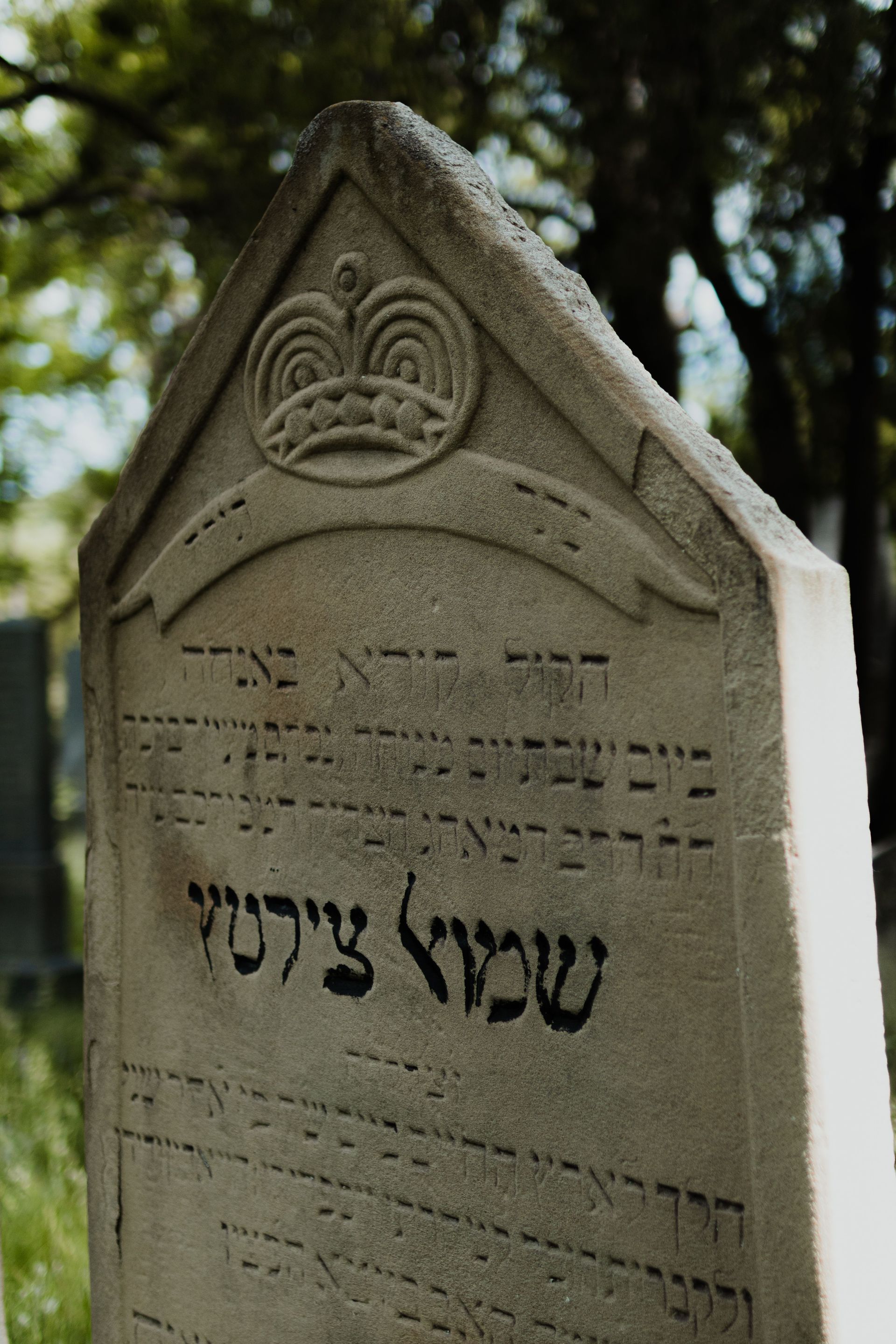
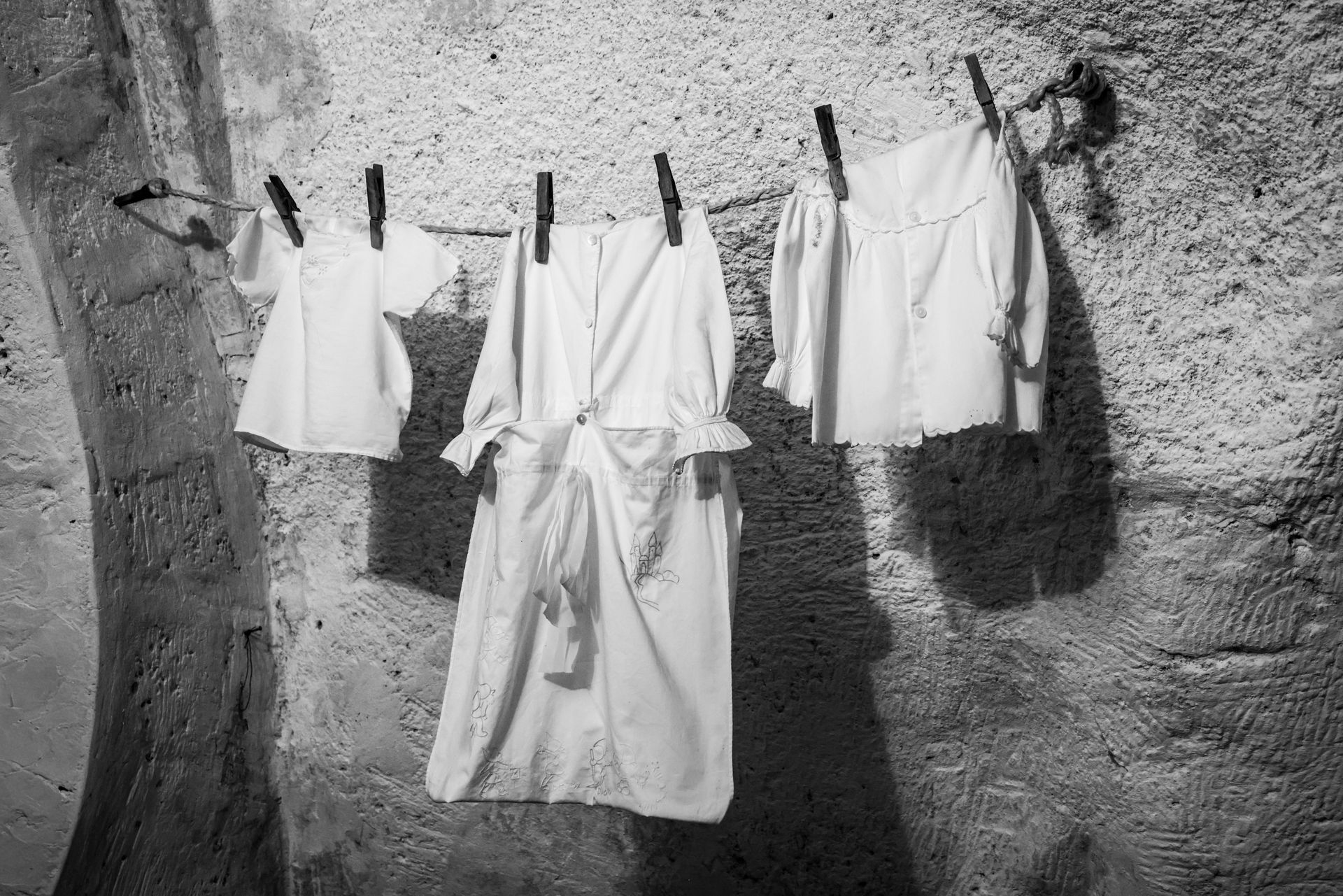
Long before the phrase “green burial” entered the American vocabulary, Jewish tradition had already arrived at its central practices. No embalming. A plain wooden casket, built without metal. A simple white shroud. A body returned to the ground with as little between it and the earth as possible.
These customs were never framed as environmental policy. They came from a different place entirely: the belief that every person, regardless of wealth or standing, deserves the same dignity in death, and that the body should be allowed to return naturally to the earth from which it came. What we now recognize as ecological responsibility, Judaism has understood for thousands of years as an act of humility and respect.
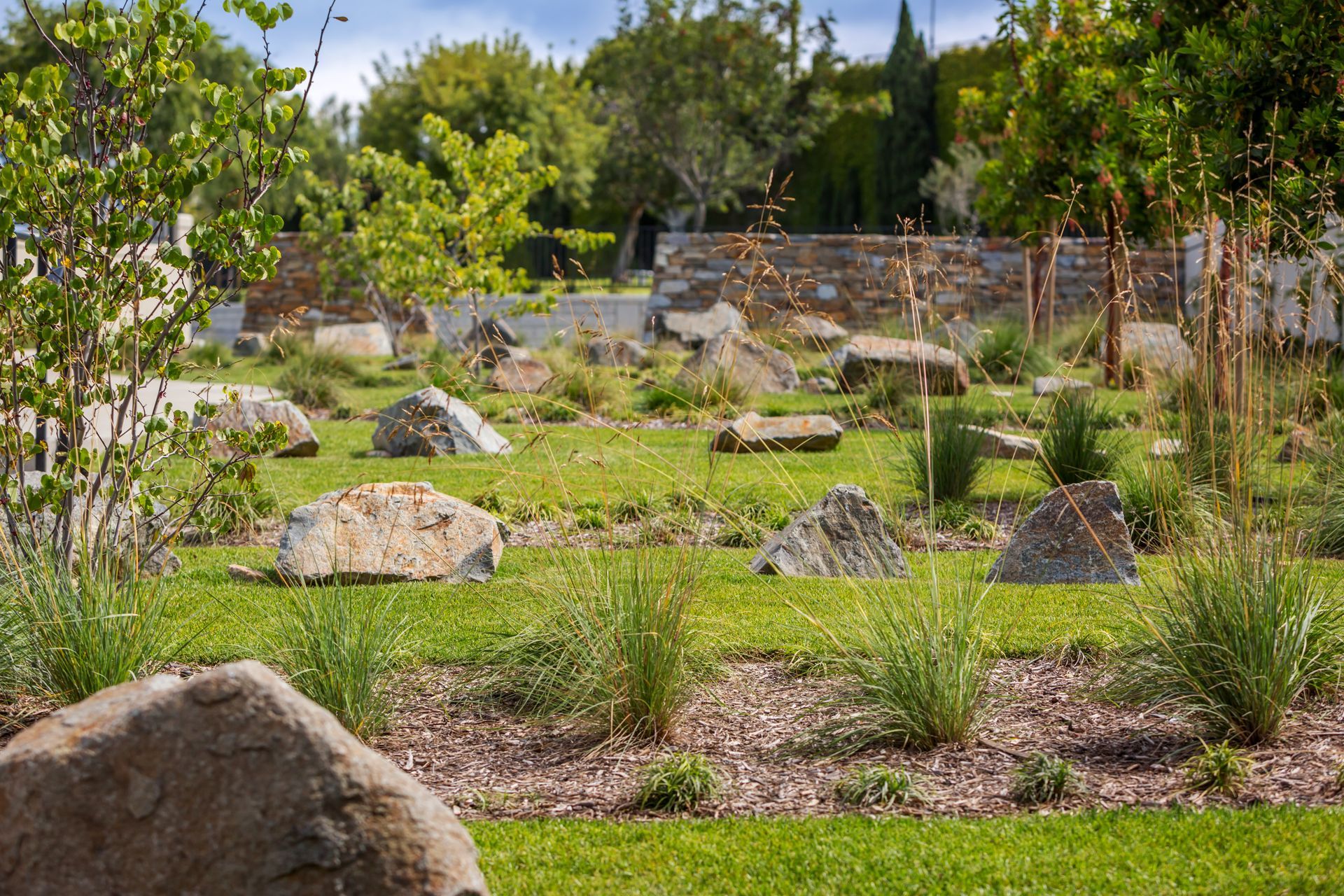
Gan Eden at Hillside Memorial Park and Mortuary is where those two understandings meet.
What Green Burial Is
Green burial is the practice of interment without the materials that prevent a body from returning to the earth. That means no embalming fluid, no concrete vault, and no casket made from materials that will not break down over time. The goal is simple: to allow the natural process of decomposition to take place as it always has.
The Green Burial Council, the national organization that certifies providers, evaluates cemeteries and mortuaries on standards covering burial containers, embalming practices, land management, and disclosure. Certification is not automatic and it is not permanent. It requires meeting specific criteria and maintaining them.
Hillside Memorial Park and Mortuary holds a Three-Leaf rating as a mortuary and a Two-Leaf rating as a cemetery from the Green Burial Council. Gan Eden was the first certified green burial ground of its kind in the Los Angeles region.
Gan Eden
Gan Eden means Garden of Eden. The name refers to the place where, in the Torah, humanity was formed from the earth and to which the body returns.
The section is designed for families who want burial that reflects both Jewish tradition and ecological values, without asking them to choose between the two. Families burying a loved one in Gan Eden may use a traditional casket if they prefer. Those who want the fullest expression of green burial have options built specifically for it.
The Caskets
Hillside offers two biodegradable casket options for burial in Gan Eden, both from the Arava line.
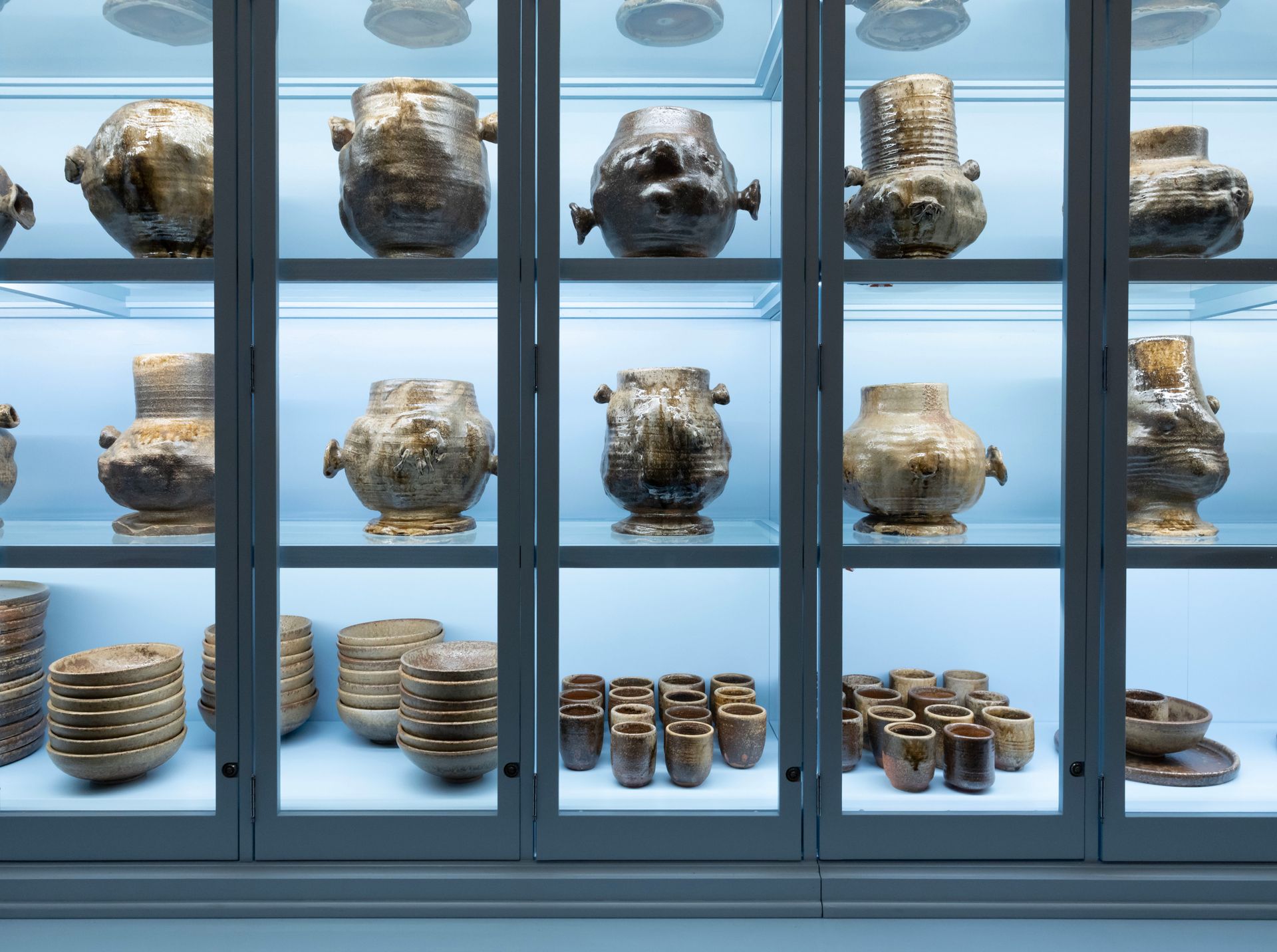
Arava is handwoven from willow by artisans, with a natural, unbleached cotton interior. There is no metal, no varnish, and no synthetic material anywhere in its construction. Willow is chosen because it grows quickly, requires little water, and breaks down completely.
Arava Base is a reinforced version of the same design, built on a strengthened willow base with the same unbleached cotton interior.
Both are intended to dissolve and biodegrade over time, allowing the body to return to the soil rather than remaining sealed away from it.
The Shrouds
For families who want the simplest possible burial, Hillside offers two shrouds that may be used in place of a casket entirely. This practice has deep roots. Traditional Jewish burial garments, tachrichim, are plain white cotton or linen, made without pockets, because the dead take nothing material with them.
Olam is made from 100 percent raw silk with a cotton canvas backing. It includes four cotton web handles for pallbearers and lowering straps. The lining is hand-sewn cotton batting, quilted with aromatic herbs: lavender, white sage, and rose petals.
Lavan is made from 100 percent linen with a cotton canvas backing, with the same four cotton web handles and lowering straps, and a cotton batting lining.
Hillside also offers a Natural Shrouding Wash, an eight-ounce aromatic floral wash used after the ritual cleansing of the body. It is available in three fragrances: Neroli and Orange Blossom, Rose and Rosemary, and Lavender and Rue.
Why This Fits Jewish Practice
The ritual preparations that precede a Jewish burial were built around the same principles that guide green burial today.
Taharah is the ritual washing of the body, performed so that a person leaves the world as pure as they entered it. Prayers and psalms are recited. Nothing is added to the body. Nothing is preserved.
Tachrichim, the burial garments, are identical for everyone. A person of great wealth and a person of modest means are dressed the same way and buried the same way. The tradition is deliberate. In death, the distinctions that separated people in life are set aside.
Simplicity in the casket follows the same logic. A plain wooden box, built without metal, communicates that the container is not the point.
Green burial does not require Jewish families to adopt an unfamiliar practice. In most respects, it asks them to return to the oldest one.
Ecological Stewardship at Hillside
Many of the families who come to Hillside are thinking about ecological values as they make end-of-life decisions. That consideration has become part of how we plan, maintain, and grow our grounds.
Tikkun Olam, the obligation to repair the world, is a value we return to often at Hillside. It informs the grants we give, the organizations we partner with, and the programs we host. It also informs how we care for the land itself. Using natural resources responsibly is not separate from our mission. It is one of the ways we carry it out.
Gan Eden reflects the same idea our grounds have always been built around: that honoring a life and honoring the earth that received it are the same act.
Learn More
If you would like to learn more about green burial at Hillside Memorial Park and Mortuary, including Gan Eden, biodegradable caskets and shrouds, and green burial pricing, our Family Service Counselors are available to help.
Call 800.576.1994 to speak with someone any time, day or night. You may also schedule a visit to walk the grounds and see Gan Eden in person.