The Darkness They Entered
In 1944, three young Jewish women were loaded onto transports bound for Auschwitz. Each carried something no one around them could yet see: a new life, quietly forming, in the most death-saturated place on earth. Pregnancy in the Nazi camps was not merely dangerous. It was a capital offense. Mothers who were discovered were killed. Their children with them.
And yet these three women said nothing. They bound themselves tightly. They endured forced labor through the cold months of a Polish winter, through exhaustion, starvation, and terror, carrying their secret with a discipline that bordered on the miraculous. They were not simply surviving for themselves. They were surviving for someone else.
This month, Yom HaShoah asked us to remember the six million who were murdered. It also asks us to reckon with what it meant to live, to insist on life, inside a system designed to extinguish it completely. The story of the miracle babies of Mauthausen is one of the most extraordinary acts of that insistence ever recorded.
April 1945: Three Births at the Edge of Liberation
By early 1945, the tide of the war had turned, though the machinery of genocide had not stopped. The three women had been transferred through the camp system, eventually arriving near Mauthausen in Austria. There, in April 1945, just weeks before Germany’s surrender, each of them gave birth.
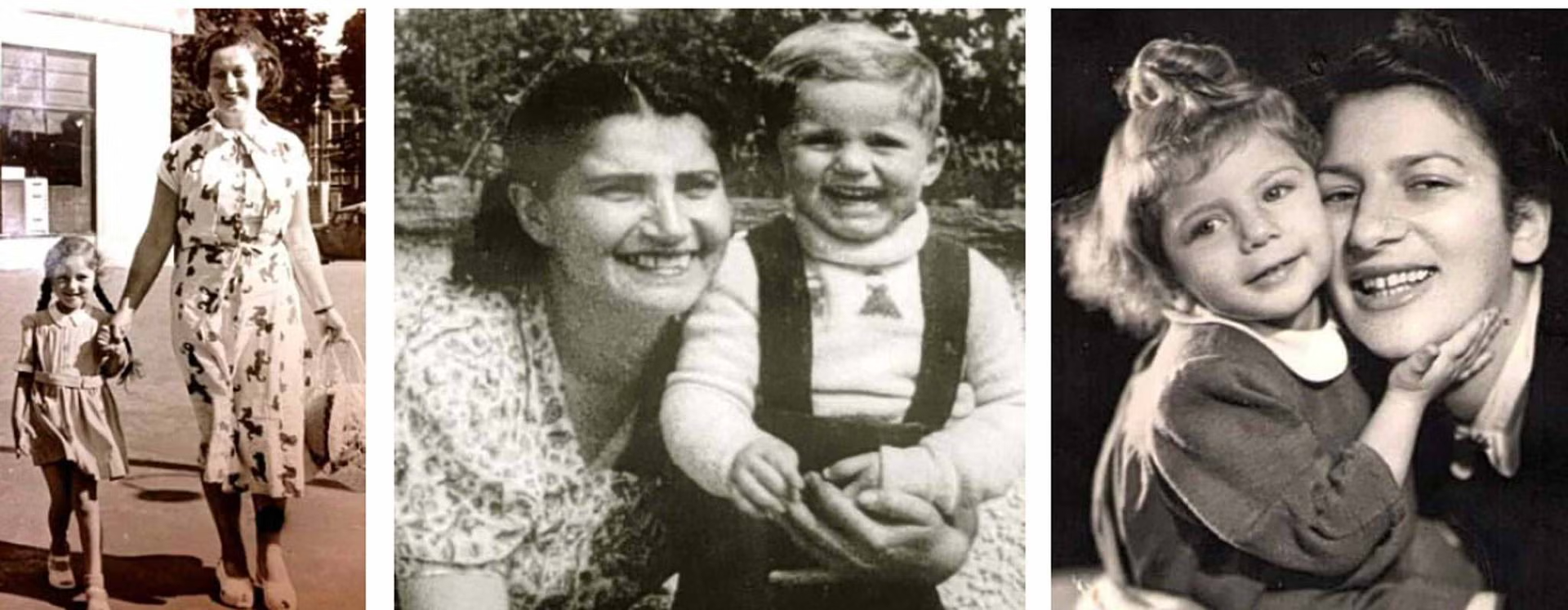
Eva Clarke was born on April 29, 1945, the very day Mauthausen was liberated by American forces. Hana Berger-Moran arrived earlier that month, delivered in secret within the camp. Mark Olsky was born not long after. Three children. Three women who had hidden the most visible secret imaginable. Three lives that the Nazi regime had tried, by design, to make impossible.
The story was documented decades later by 60 Minutes, which brought Eva Clarke, Hana Berger-Moran, and Mark Olsky together on camera to reflect on what their survival has meant, and what their mothers’ courage has meant to them. It is a document of history, and it is something rarer: a document of grace.
What We Are Asked to Remember
Although Yom HaShaoah has already passed this month, its obligation to remember is ongoing. Memorialization is as moral as it is historical. When we say “never again,” we are not making a prediction. We are making a promise, and promises require memory to hold their shape.
The mothers of Eva, Hana, and Mark did not survive because the system relented. They survived because they refused. They made an act of radical faith in a future that had no reason, by any measure available to them, to exist. That faith was vindicated. But it could not have known it would be.
This is what we honor when we remember them. Not only the outcome, but the choice. The choice to protect life when life itself was under systematic assault. The choice to bring a child into the world at the precise moment the world was trying to end them.
A Memory That Belongs to All of Us
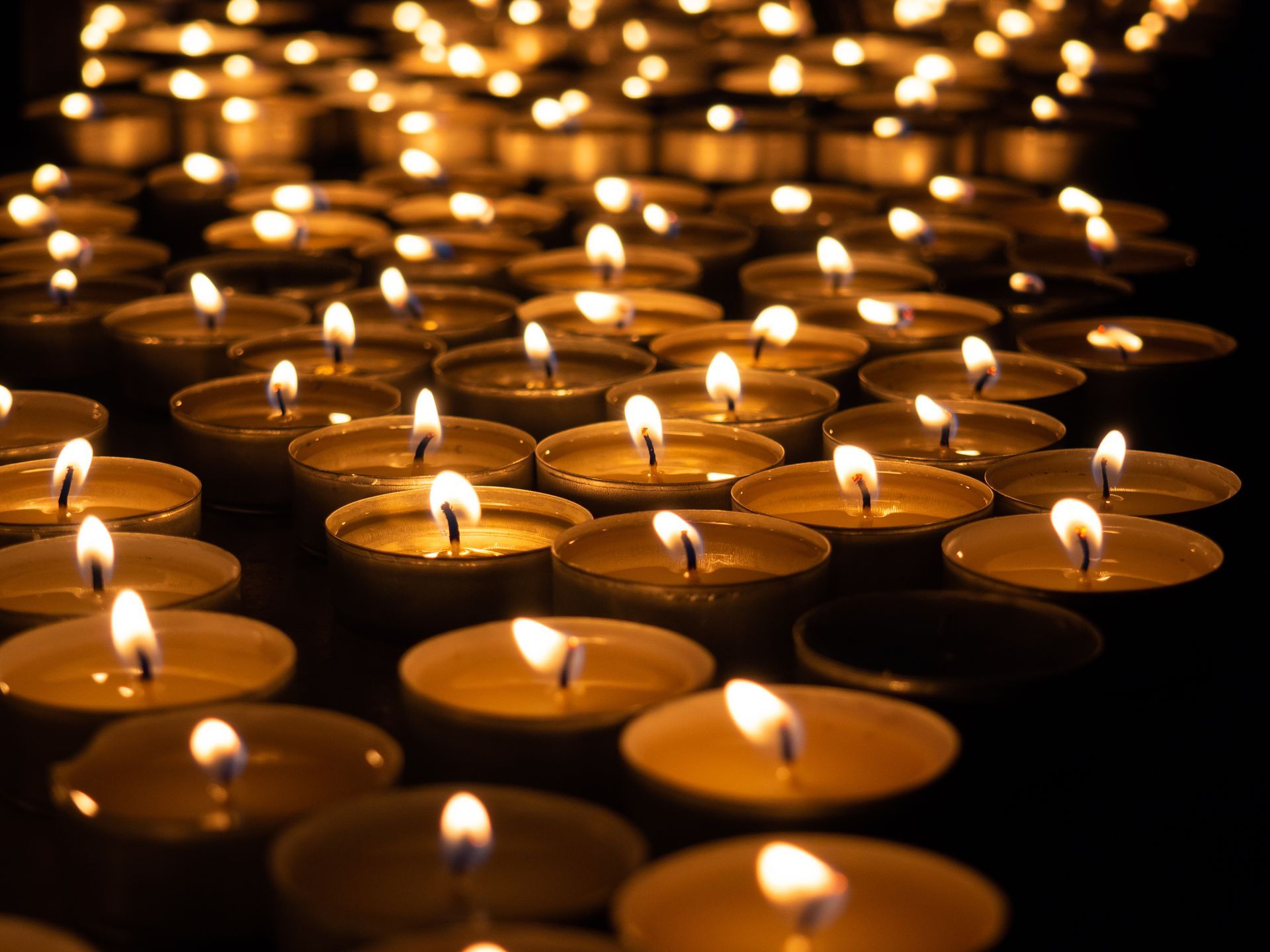
At Hillside Memorial Park & Mortuary, we understand that memory is not passive. It is an act. Every yahrzeit candle lit, every name spoken aloud, every story passed from one generation to the next is a refusal to let the darkness have the final word.
Eva Clarke, Hana Berger-Moran, and Mark Olsky are now in their eighties. They have lived full lives, raised families, and carried their mothers’ stories into a world their mothers never knew. In them, something endured that was never meant to. And in the telling of their story, it endures still.
On this Yom HaShoah, we invite you to watch their story in full. Let it stay with you. Let it remind you of what human beings are capable of, both in cruelty and in courage, and why the work of memory is never finished.
Watch the full 60 Minutes story:
The Miracle Babies of Mauthausen on CBS News
Hillside is pleased to offer families a complimentary email reminder service to honor the Yahrzeit on the anniversary of a loved one's passing. Our memorial service includes: virtual plaques and digital Yahrzeit candles. Sign up for our
Yahrzeit Reminder Service