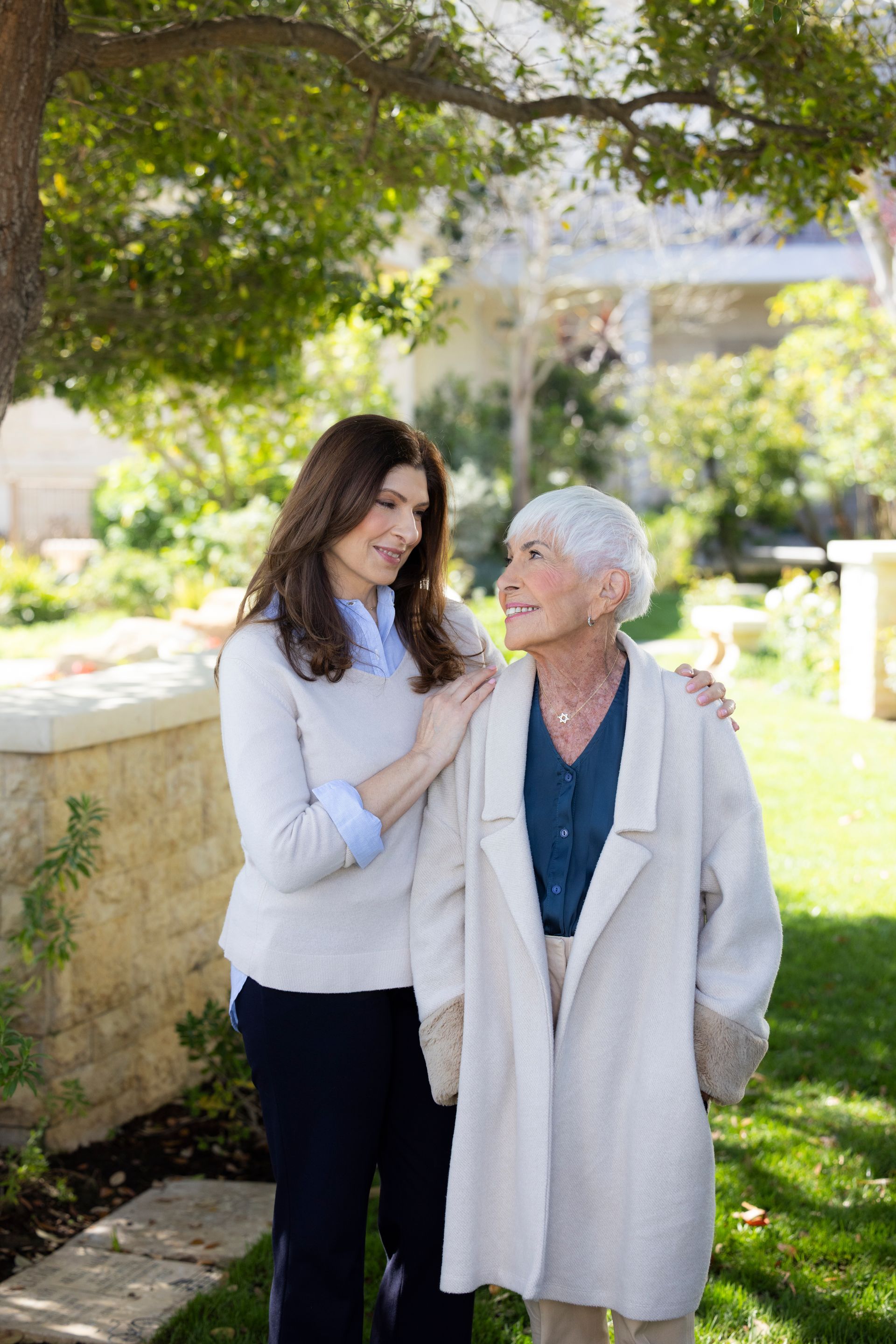
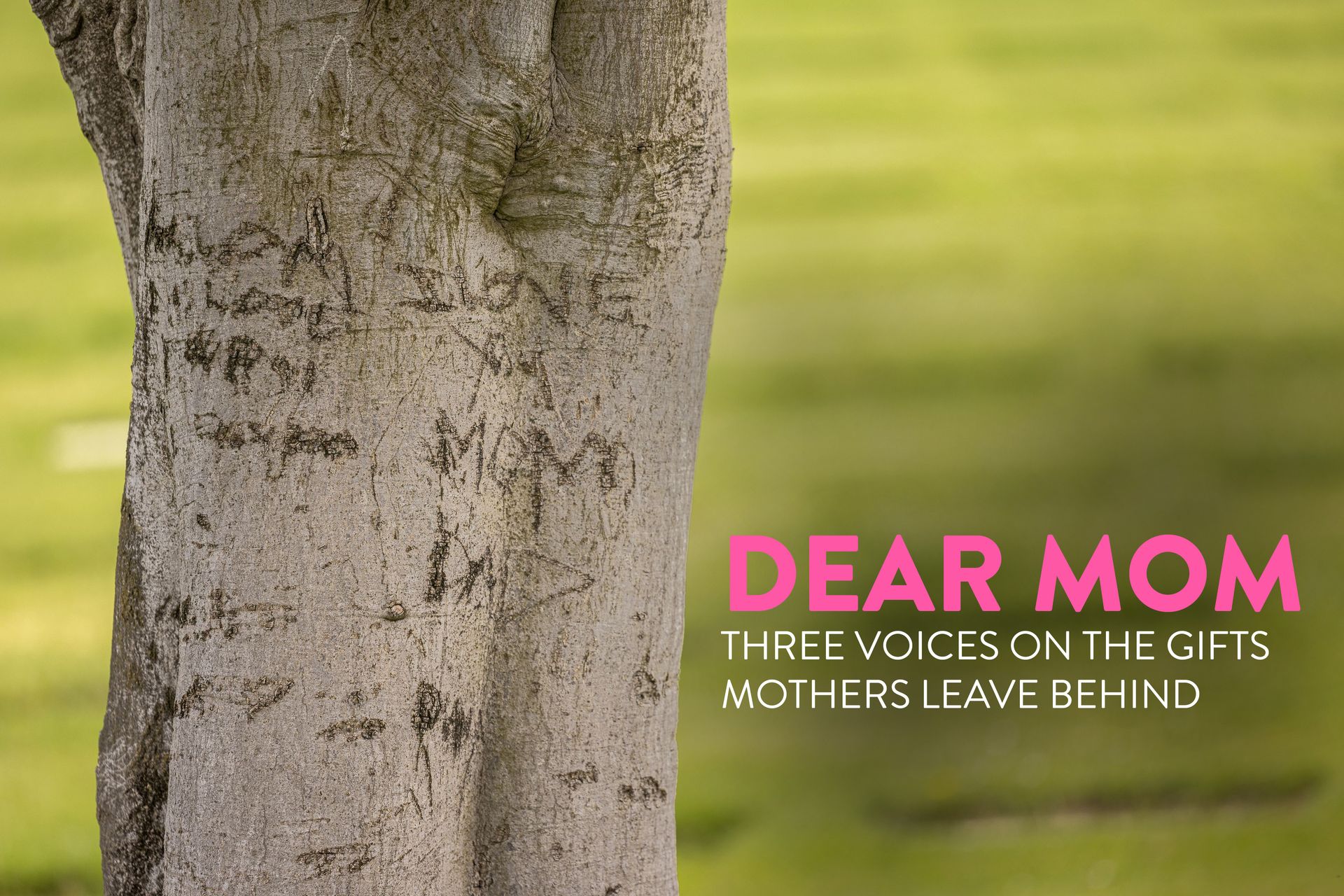
In Jewish tradition, memory is not something we leave to chance. It is marked in time, spoken aloud, embodied through ritual, and held in community. One of the most enduring expressions of this practice is the Yahrzeit, the annual remembrance of a loved one’s death. Far from being a quiet or solitary act, Yahrzeit creates space for grief, connection, and continuity. As Rabbi Jocee Hudson, Campus Rabbi and Senior Jewish Educator at University of Southern California (USC) Hillel, explains, this ritual offers not only remembrance, but grounding, relationship, and a way to live alongside loss.
Marking Time, Honoring the Soul
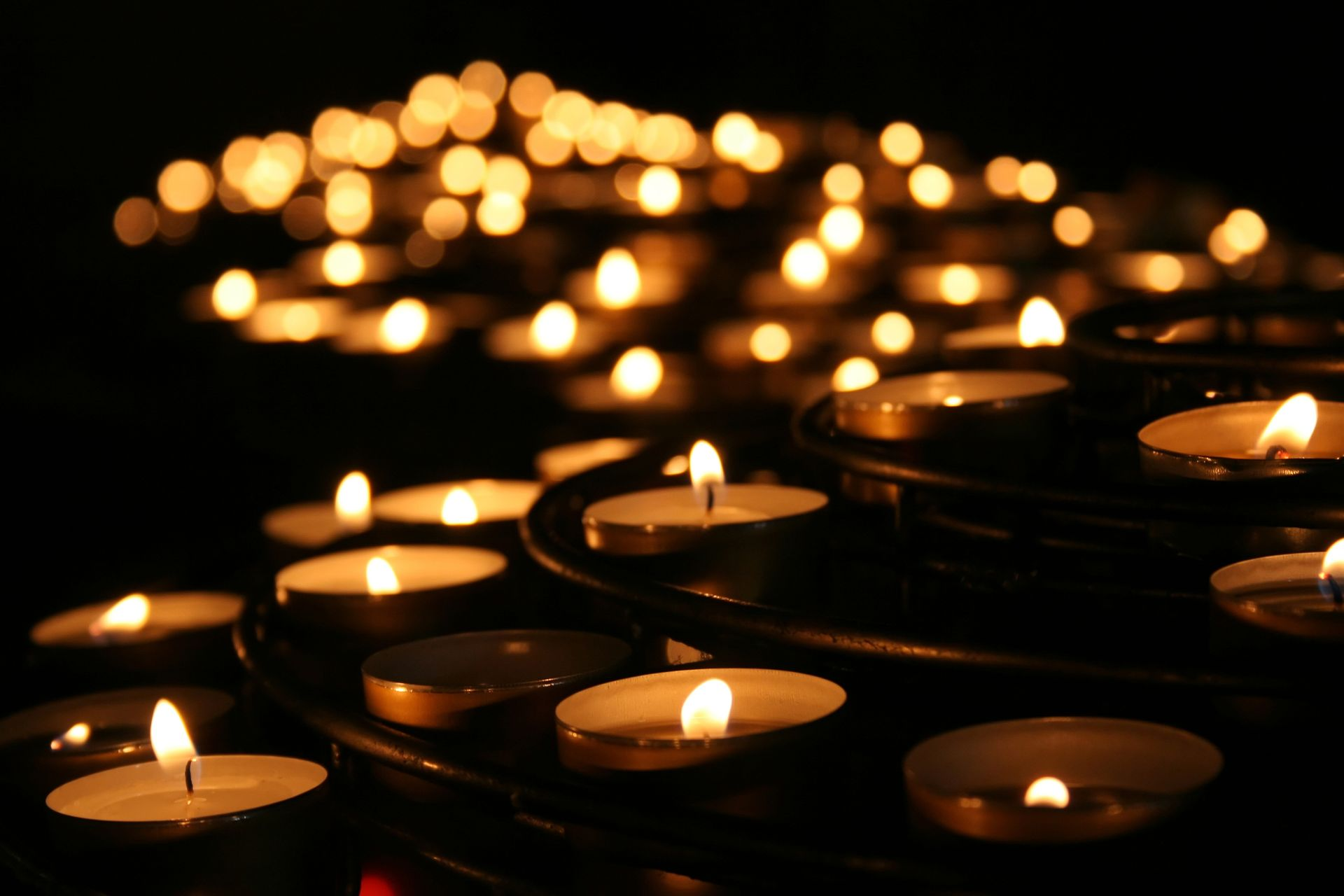
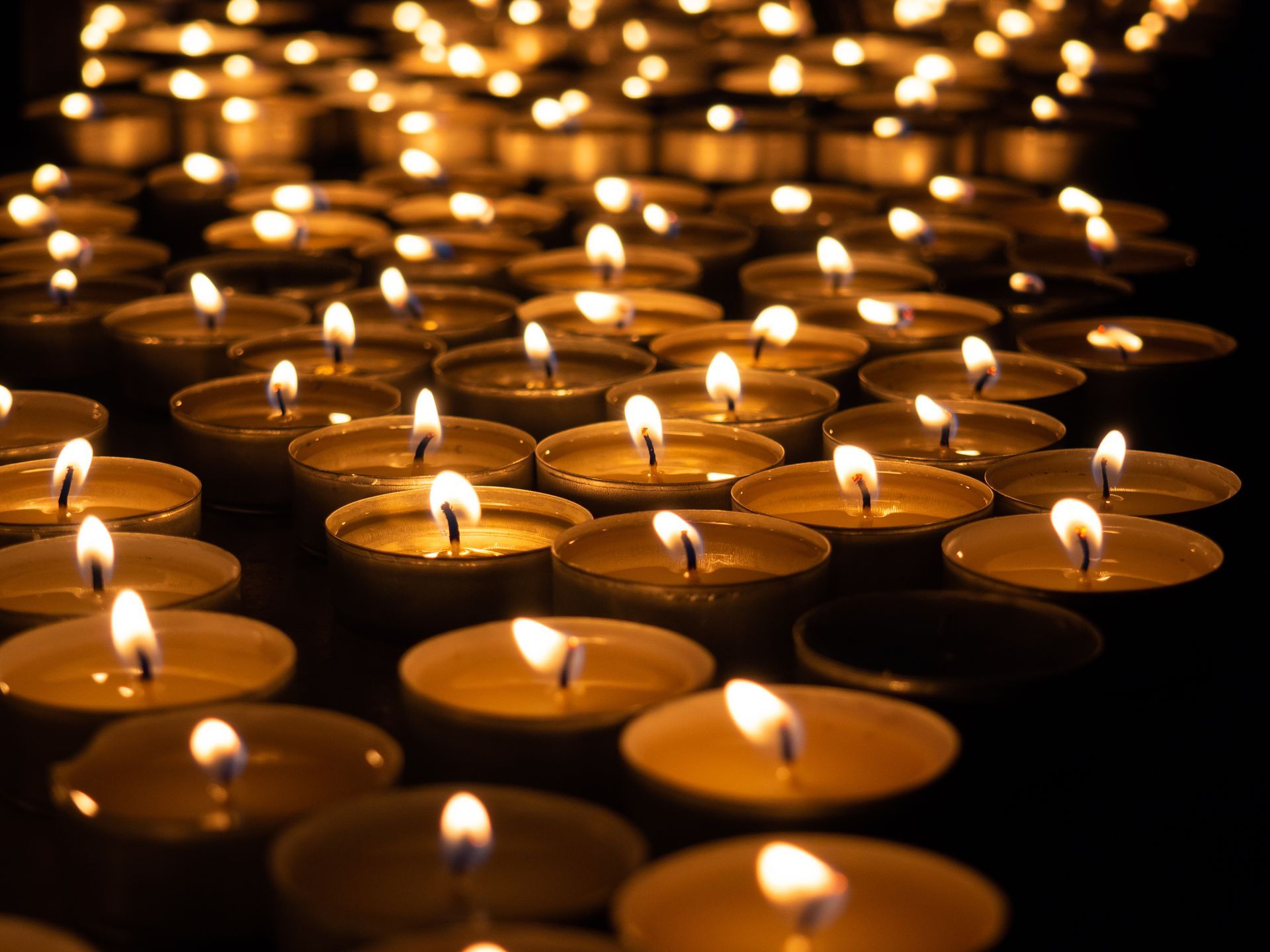
Yahrzeit is traditionally observed on the yearly anniversary of a person’s death, marked either by the Hebrew calendar or the Gregorian date. Many people light a memorial candle, say Kaddish, attend Shabbat services, or visit the grave. Rabbi Hudson explains that these practices are meant to draw the deceased close. “This tradition is designed to draw a person, who is no longer physically present, spiritually close to us,” she says, adding that it also serves as a reminder that “even if our minds aren’t remembering these anniversaries or these yearly patterns, our bodies and our souls do.”
For many, the approach of a Yahrzeit is felt before it arrives. Rabbi Hudson shares, “I know the significant Yahrzeits in my life are coming before they’re here. I
feel them approaching. I often have a sense of growing awareness in the days and weeks leading up to the Yahrzeit.” Having a ritual to return to matters, she explains, because “having a place to go, having a tradition to fall upon, having a way to mark the memory… it’s helpful.”
Keeping Loved Ones Alive Through Ritual
Rabbi Hudson speaks movingly about observing her own mother’s Yahrzeit each year. “My mom’s Yahrzeit is August 14th,” she says. “And that date is seared into my memory.” As the season changes and the anniversary approaches, the ritual becomes a gathering point for her family. “It’s a chance for me to gather my children, to call my siblings and my dad, and to tell stories about my mom. In my house, we usually move the pictures of my mom that we have all around our house onto the table.”
Together, they light the candle, share her mother’s favorite dessert, and remember. “My children never met my mom,” Rabbi Hudson explains, “but they know she was a deeply significant part of my life, and still is. And so it’s a way of keeping her alive.” That remembrance extends beyond the Yahrzeit itself. “I keep her alive by remembering her birthday, remembering her Yahrzeit, keeping her picture up, teaching my children about her values, quoting her, and living out her values,” she shares, emphasizing the importance of doing so “in a way that feels loving, not oppressive.”
Grief Held in Community
In her years of pastoral and educational work, Rabbi Hudson has seen how Yahrzeit creates connection beyond the individual. “I noticed that Yahrzeit communities start to form,” she says. “People who share a week come to know one another, and check in on one another, and remember together.” These shared markers of time foster what she describes as “intergenerational solidarity.”
She also names Yahrzeit as a stabilizing force in a fast-moving world. “Our lives are busy and messy,” she reflects, “and our tradition gives us these tethers, and these tethers are sacred.” For Rabbi Hudson, these practices are essential. “I actually think they’re critical for us to live full and grounded lives,” she says. “The Yahrzeit is a gift. It’s a gift to stop and remember and to draw close and not let time pass us by. Without these rituals, we actually can forget to remember.”
Importantly, Jewish ritual insists that mourning not be done alone. “Lighting a Yahrzeit candle and saying Kaddish are some of the most powerful ways to allow us to do two things at once, which is to live and to remember,” Rabbi Hudson explains. The requirement to say Kaddish in community reinforces this idea. “It’s requiring of us the opposite of isolation,” she says. “We actually don’t do this alone. We need one another. Our tradition says to us: bring your sadness into our joy. They are meant to coexist.”
Carrying Memory Forward
Yahrzeit endures because it acknowledges a truth many people struggle to name: grief does not disappear, but it can be held. Jewish tradition does not demand that mourners move on or leave sorrow behind. Instead, it insists on making space for memory, year after year, in the presence of others. As Rabbi Jocee Hudson’s reflections make clear, Yahrzeit is not only an act of looking back. It is a practice of connection that allows love, loss, and life itself to continue, woven together across time and generations.