Growth, Roots, and Sustainability in Life and Memory
Tu B’Shevat, often called the New Year of the Trees, invites us to pause and reflect on growth, renewal, and our relationship to the natural world. While it is rooted in ancient agrarian rhythms, the holiday continues to offer profound spiritual insight, especially in moments when we are seeking grounding, healing, and reconnection. We sat down with Rabbi Lori Shapiro, founder and artistic director of Open Temple in Venice, California, to explore how Tu B’Shevat speaks to sustainability, embodied spirituality, and the cycles of life and memory.
A Tree of Life for the Spiritually Curious
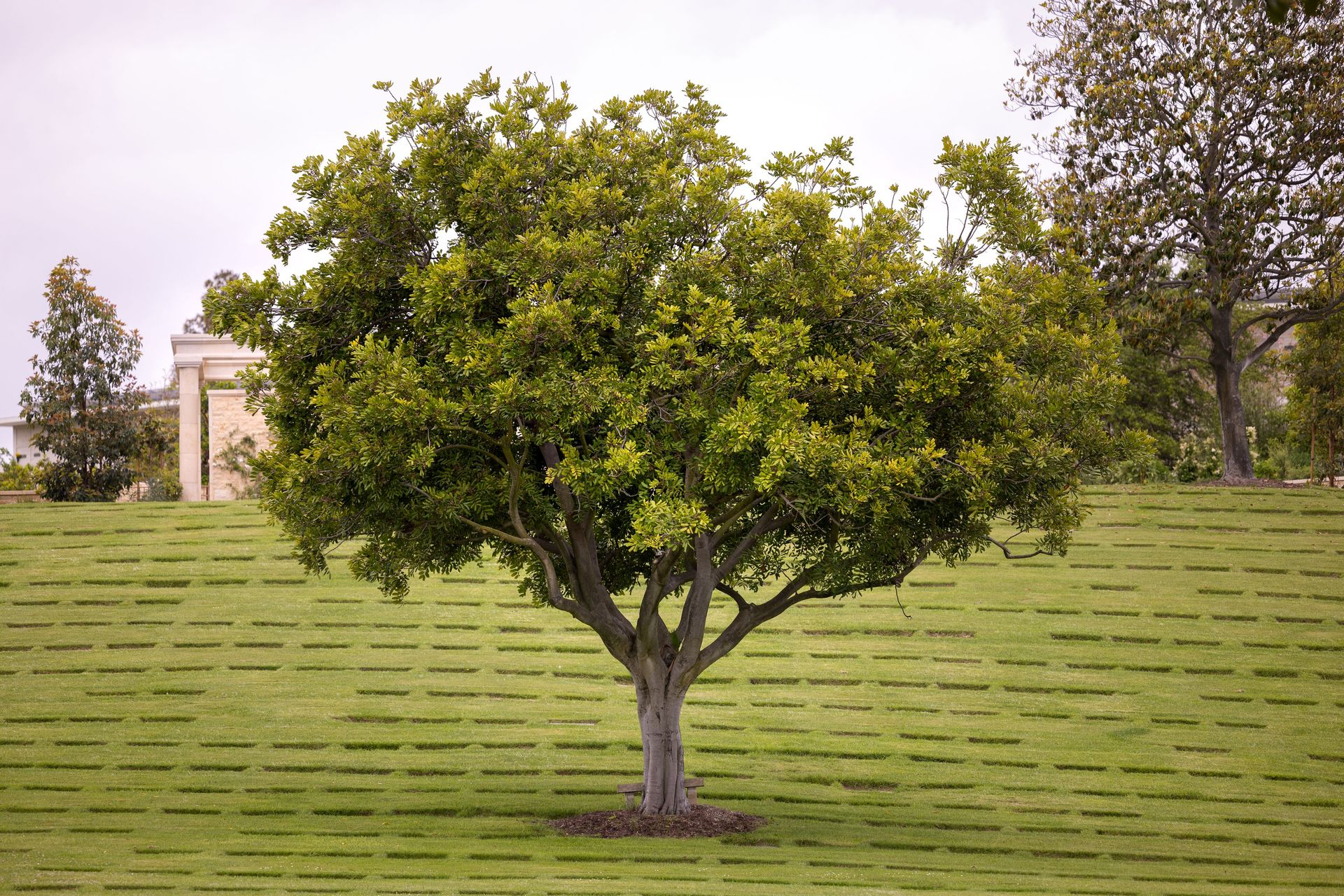
For Rabbi Shapiro, Tu B’Shevat is uniquely accessible, particularly for those who may not feel rooted in conventional Jewish spaces. “Trees are everything,” she explained. “In Judaism, we call Torah Etz Hayim, a tree of life.” The image of the tree, she noted, reaches far beyond ritual and speaks to something ancient and universal.
She reflected on how Judaism itself emerged through innovation, drawing from earlier cultures and reimagining their symbols through a monotheistic lens. “What Judaism did beautifully is… they folded in the deities of who existed in the past,” she said, pointing to the way early Jewish thought transformed earlier tree-centered traditions into enduring spiritual metaphors. This spirit of innovation continues at Open Temple, where, as Rabbi Shapiro put it, “we say, ‘No, Judaism must keep innovating.’”
Renewal as an Embodied Experience
Tu B’Shevat, Rabbi Shapiro emphasized, is not only symbolic. It is deeply physical. “It’s such an embodied holiday,” she said. “Everything from the way we observe it is about awakening and intention-setting.” She described ancient imagery associated with the holiday, such as the almond trees in Israel whose buds open like watchful eyes, “like the eyes of God are watching,” as the rabbis taught.
Drawing on both tradition and lived experience, she described the Tu B’Shevat seder developed by the sixteenth-century mystic Isaac Luria. This ritual moves through the four Kabbalistic worlds: creation, formation, action, and transcendence, using fruit as a way to internalize spiritual growth. “He gave each of us a fruit attached to one of those four worlds, and through that, we explore how we are trees of life ourselves,” she said. “And then we eat it, so we are really being nurtured by it.”
Nature, Memory, and Responsibility
At its core, Tu B’Shevat calls us to consider how we live within the rhythms of the natural world. Rabbi Shapiro framed this as both a spiritual and ethical responsibility. Reflecting on our modern moment, she said, “In what ways are we living aligned or misaligned with the cycles of the earth?”
She pointed to the restorative power of nature as something we instinctively understand. “We all know going for a hike realigns us. We all know the salubrity that occurs when we take time outside,” she said, describing how time in nature opens our minds and restores our spirits. In this way, Tu B’Shevat becomes not only a celebration of trees, but a reminder of how memory, healing, and sustainability are nurtured through ongoing relationship with the earth.
Living in Alignment
Tu B’Shevat ultimately asks us to look inward while paying attention to the world around us. As Rabbi Shapiro explained, “So many of these New Year holidays are asking us to connect with these natural cycles that occur.” In a time marked by disconnection and acceleration, the holiday offers a quieter invitation: to notice where we are growing, where we are dormant, and where we might realign.
By honoring the cycles of nature, Tu B’Shevat helps us tend not only to the land, but to our lives and memories, reminding us that renewal is ongoing and that growth often begins beneath the surface.