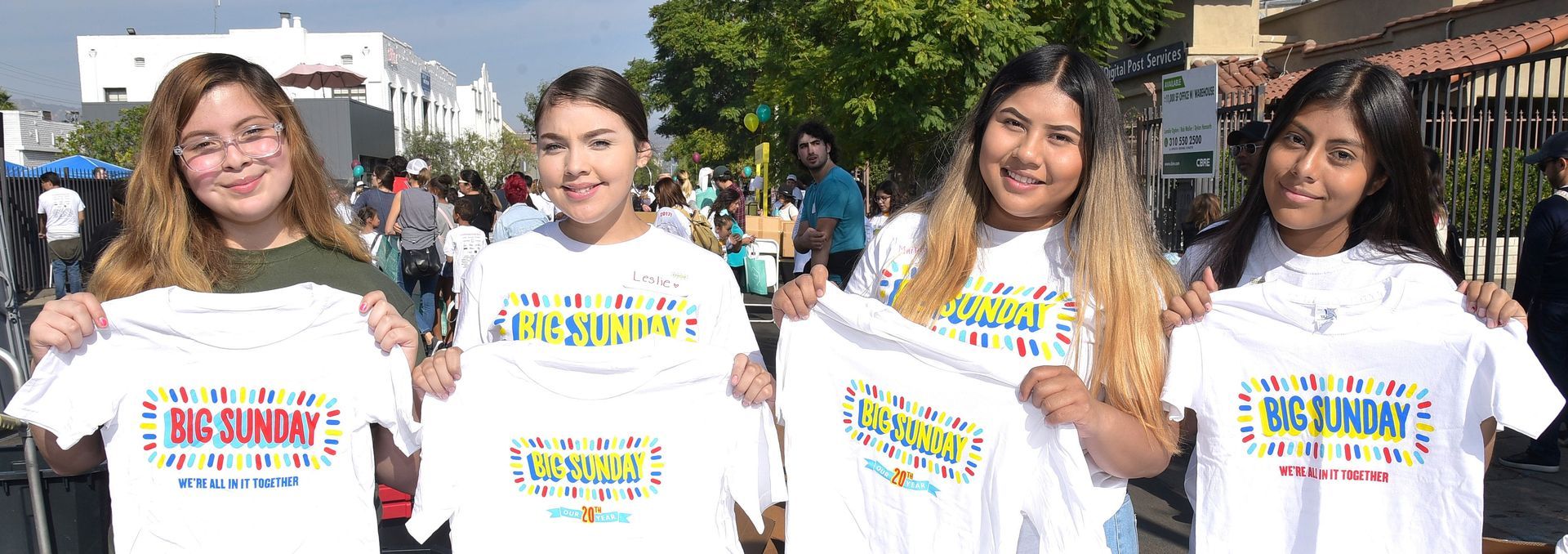
Hillside Memorial Park and Mortuary is proud to partner with Big Sunday, the Los Angeles nonprofit that connects people through helping. Founded in 1999 and led by David Levinson, Founder & Executive Director, Big Sunday began as a mitzvah day at Temple Israel of Hollywood and has grown into a year-round movement grounded in dignity, gratitude, and the belief that everyone has something to give. As David explains, Big Sunday is not only a service organization; it is a community-building effort that invites people of all ages and backgrounds to show up for one another. That shared vision is at the heart of Hillside’s relationship with Big Sunday, especially as we enter the light-filled season of Hanukkah.
From One Day to a Year-Round Movement
Big Sunday’s early years revealed a simple but powerful idea: people want to help, and they want to do it together. In the third year, youth from Covenant House joined with a synagogue group and a church class to run a car wash for a marathon-training program that supports at-risk teens. The impact was not the $400 they raised; it was the experience of standing shoulder to shoulder. As David recalls, that was the moment the effort shifted “from being a community service day to a community-building event,” rooted in the conviction that “absolutely everybody has some way they can help somebody else and some time when they need help.”
That inclusive spirit defines Big Sunday today. David often tells supporters that they do not see the world as haves and have-nots, “but as haves and have-mores,” adding, “we’re all just folks.” It is why the organization now “produces, promotes, or sponsors over 2,000 helping and giving events every year,” welcoming volunteers from across the city, including CEOs, students, seniors, young families, people with ample resources, and people experiencing homelessness, all working side by side.
A Partnership Rooted in Showing Up
Hillside’s connection to Big Sunday began through shared community ties and deepened through a shared commitment to presence. When Big Sunday searched for a permanent home, Hillside helped make it possible. David recalls that Hillside “was one of the first businesses that donated to our capital campaign and helped us buy this building,” a gesture he describes as generous, sensitive, and emblematic of how Hillside “walks the walk.”
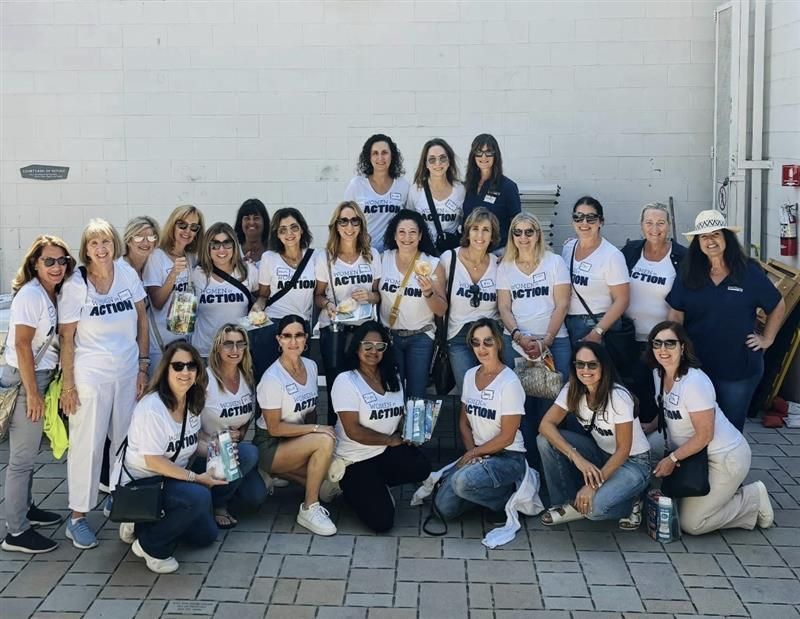
Since then, Hillside staff and families have joined Big Sunday throughout the year, from the massive Thanksgiving food-packing event that provides dinner for thousands of neighbors across greater Los Angeles, to Friday Field Trips that offer special adventures, including first-time horseback rides, to people who do not usually get them. What moves David most is seeing “so many people working together,” often including recipients who also choose to volunteer. It is a living reminder that everyone has something meaningful to contribute.
Hanukkah: Adding Light, Voice, and Belonging
Each year, Big Sunday publishes an Annual Holiday List with hundreds of opportunities to help at Thanksgiving, Hanukkah, Christmas, and New Year’s. During Hanukkah, the organization emphasizes gathering with residents at senior communities and care centers to light menorahs, sing together, and decorate spaces not just for people, but with them. David notes that the team strives to be “non-denominational and multicultural,” bringing snowflakes and songbooks, dreidels and blue-and-silver décor, so “there’s something for everyone.”
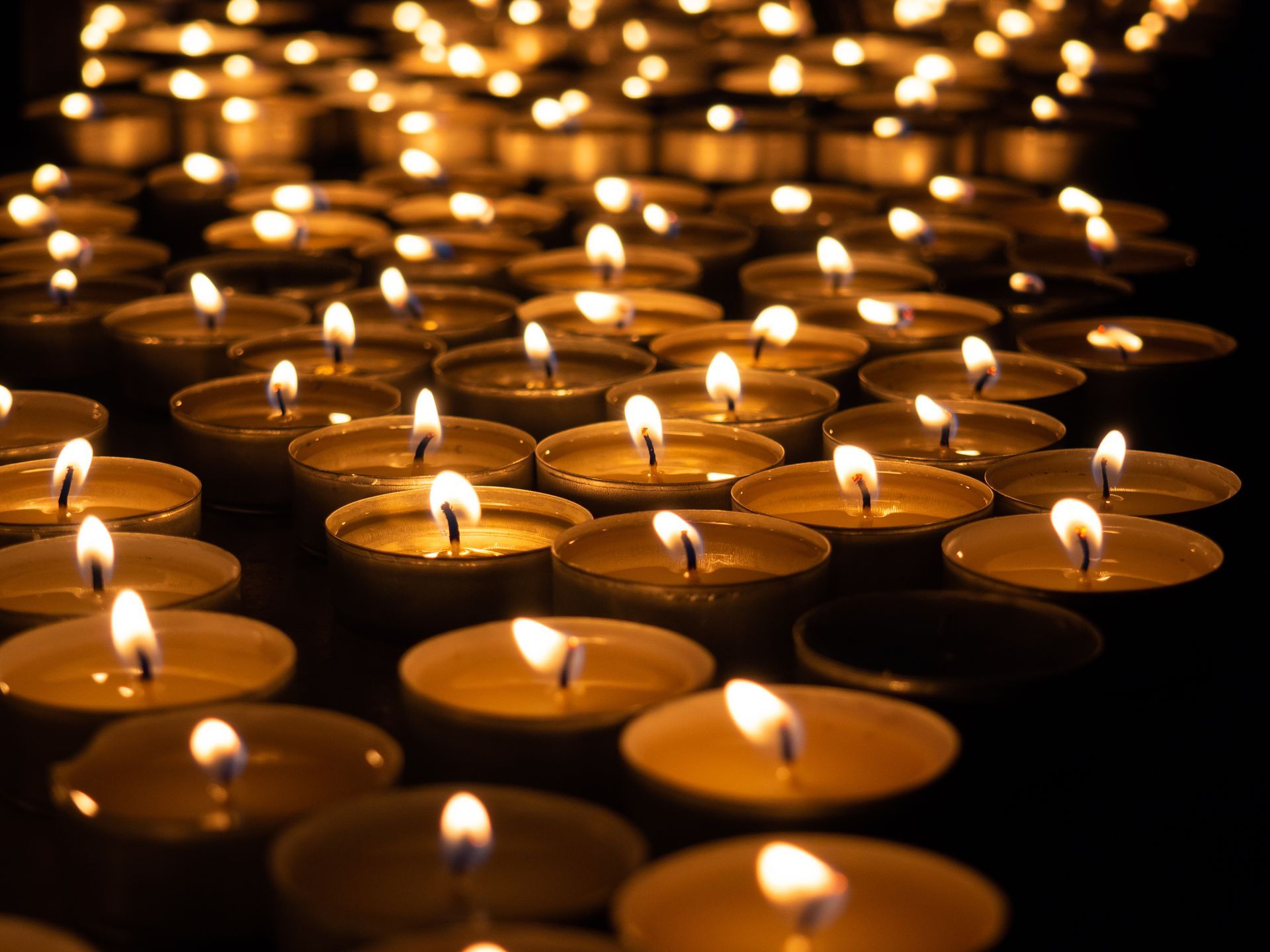
One tradition is to spend at least one Hanukkah night in a retirement home. Volunteers light candles, children lead blessings, and everyone—residents and guests alike—sings familiar melodies from “Hanukkah, Oh Hanukkah” to shared favorites like “Over the Rainbow.” On one particularly meaningful evening, a resident who survived Auschwitz shared his story. For many younger volunteers and staff, it was their first time hearing testimony in person. Moments like these, David says, embody what the season is about: “taking stock, looking out for those who might be struggling, and trying to assume the best, see the best, and bring out the best in everyone, especially during darker times.”
Big Sunday’s hallmark is radical welcome. “You’re never too young and never too old to help,” David emphasizes. A three-week-old can brighten a senior’s day with a smile, and a 98-year-old can hand out pastries and cheer on a choir. The organization designs opportunities across ages, neighborhoods, and abilities because participation itself, showing up with warmth and willingness, is how we add light.
Conclusion: Come Help Us Bring More Light This Hanukkah
This Hanukkah, Hillside invites you to join our friends at Big Sunday in bringing light to our neighbors at senior residences, community centers, and festive gatherings across Los Angeles. Explore Big Sunday’s Holiday List to find a Hanukkah opportunity that fits your interests.
Together, let us kindle more light—one candle, one song, one act of kindness at a time.
Chag Urim Sameach from your Hillside family.