In the context of a Jewish funeral, it carries a broader meaning. A kosher burial is one carried out in accordance with halacha, the body of Jewish law that has guided the treatment of the deceased for thousands of years. It reflects a single enduring principle: that every human being, made in the image of God, deserves to be honored with dignity from the moment of death through the moment of burial and beyond.
At Hillside Memorial Park and Mortuary, we have guided Jewish and interfaith families through these traditions since 1941. Understanding what makes a burial kosher can bring comfort and clarity to families who want to honor their loved ones in the way that generations before them were honored.
The Principle of Kavod HaMet
Every practice associated with a kosher burial flows from one central idea, kavod hamet, the honor and dignity owed to the deceased. Jewish tradition teaches that the body once housed a soul and remains worthy of respect even after death. Because of this, the body is never left alone, never treated as an object, and never subjected to anything that would compromise its natural state. The customs that follow are not arbitrary rules. They are expressions of love and reverence.
Shemira: The Body Is Never Left Alone
From the time of death until burial, the body is watched over continuously by a shomer, or guardian. This practice is called shemira. The guardian often recites Psalms during the vigil, offering comfort and honoring the soul in transition. The presence of a shomer reflects the belief that the deceased should never be abandoned during this sacred period. This is one of many
Jewish traditions we uphold with care.
Taharah: Ritual Purification
Before burial, the body undergoes taharah, a ritual washing and purification performed by members of the Chevra Kadisha, the Jewish burial society. This is done with great modesty and accompanied by prayer. The body is gently cleansed and then purified with water in a prescribed manner. The intention is that a person leaves this world as pure as they entered it. Those who perform taharah consider it one of the highest acts of kindness, because it can never be repaid by the one who receives it.
Tachrichim: Simple White Shrouds
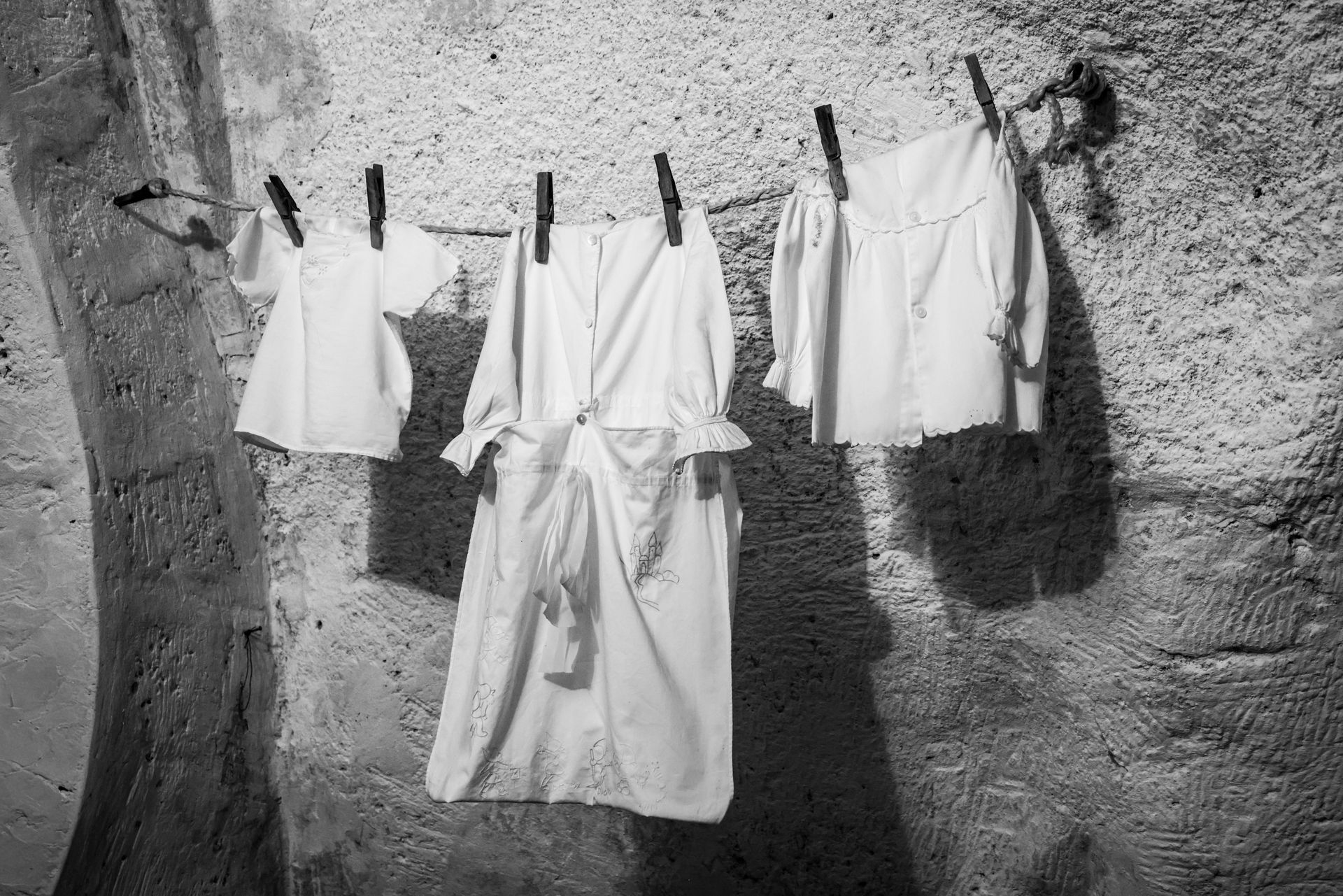
After taharah, the body is dressed in tachrichim, plain white burial garments made of linen or cotton. These shrouds are identical for everyone, whether a person was wealthy or of modest means. They contain no pockets, a reminder that we take no material possessions with us. This equality in death is a deliberate and cherished part of the tradition. Many Jewish men are also buried in their tallit, the prayer shawl worn in life, with one of its fringes rendered ritually invalid to signify that the obligations of the living no longer apply.
The Aron: A Simple Wooden Casket
A kosher burial calls for an aron, a casket made entirely of wood. Traditional caskets are built without metal, sometimes joined with wooden pegs rather than nails, so that the casket and the body can return to the earth naturally. Openings are often made in the bottom to allow direct contact with the soil. The simplicity of the plain wooden casket echoes the same value expressed by the shrouds: that in death all are equal, and that the vessel is not the point.
Return to the Earth
Central to Jewish burial is the idea expressed in the verse, for dust you are, and to dust you shall return. The body is buried directly in the ground so that it can return to the earth naturally over time. For this reason, embalming is generally avoided, since it interferes with that natural process and involves handling the body in ways tradition seeks to prevent. This emphasis on natural return has made traditional Jewish burial an early model for what many now call
green burial.
Prompt Burial
Jewish law calls for burial to take place as soon as possible, ideally within a day of death, out of respect for the deceased. Burials are not held on Shabbat or major festivals, which can affect timing, but the guiding intention is to avoid unnecessary delay. Prompt burial also allows the family to move forward into the structured stages of mourning that follow, beginning with shiva.
Mourning Begins
A kosher burial is the beginning of a larger framework of remembrance. After the funeral, families observe shiva, the seven days of mourning, followed by the recitation of the Mourner's Kaddish and later the observance of the yahrzeit, the anniversary of death. Each stage gives structure to grief and keeps the memory of the loved one present within the community. You can learn more about
Jewish mourning traditions and how we support families through them.
Modesty and a Closed Casket
In keeping with the value of dignity, traditional Jewish funerals do not include a public viewing of the body, and the casket remains closed. This practice protects the privacy of the deceased and encourages mourners to remember their loved one as they were in life. It also reflects the belief that the body, no longer animated by the soul, deserves quiet reverence rather than display. The focus of the service remains on honoring the person's memory, their values, and the legacy they leave behind, rather than on the physical form they have left.
How Hillside Supports Kosher Burial
For more than eight decades, Hillside Memorial Park and Mortuary has helped families honor these traditions with care and precision. As a community service of Temple Israel of Hollywood, we serve every denomination of the Jewish faith as well as interfaith families, adapting to each family's level of observance while safeguarding the customs that matter most to them. From shemira and taharah to burial carried out in accordance with halacha, our funeral directors ensure that every detail reflects both Jewish law and your family's wishes.
Speak With Our Team
If you would like to learn more about kosher burial or begin planning in advance, our Family Service Counselors are here to help. Call
(800) 576-1994 to speak with someone any time, day or night, or
contact us to schedule a visit.