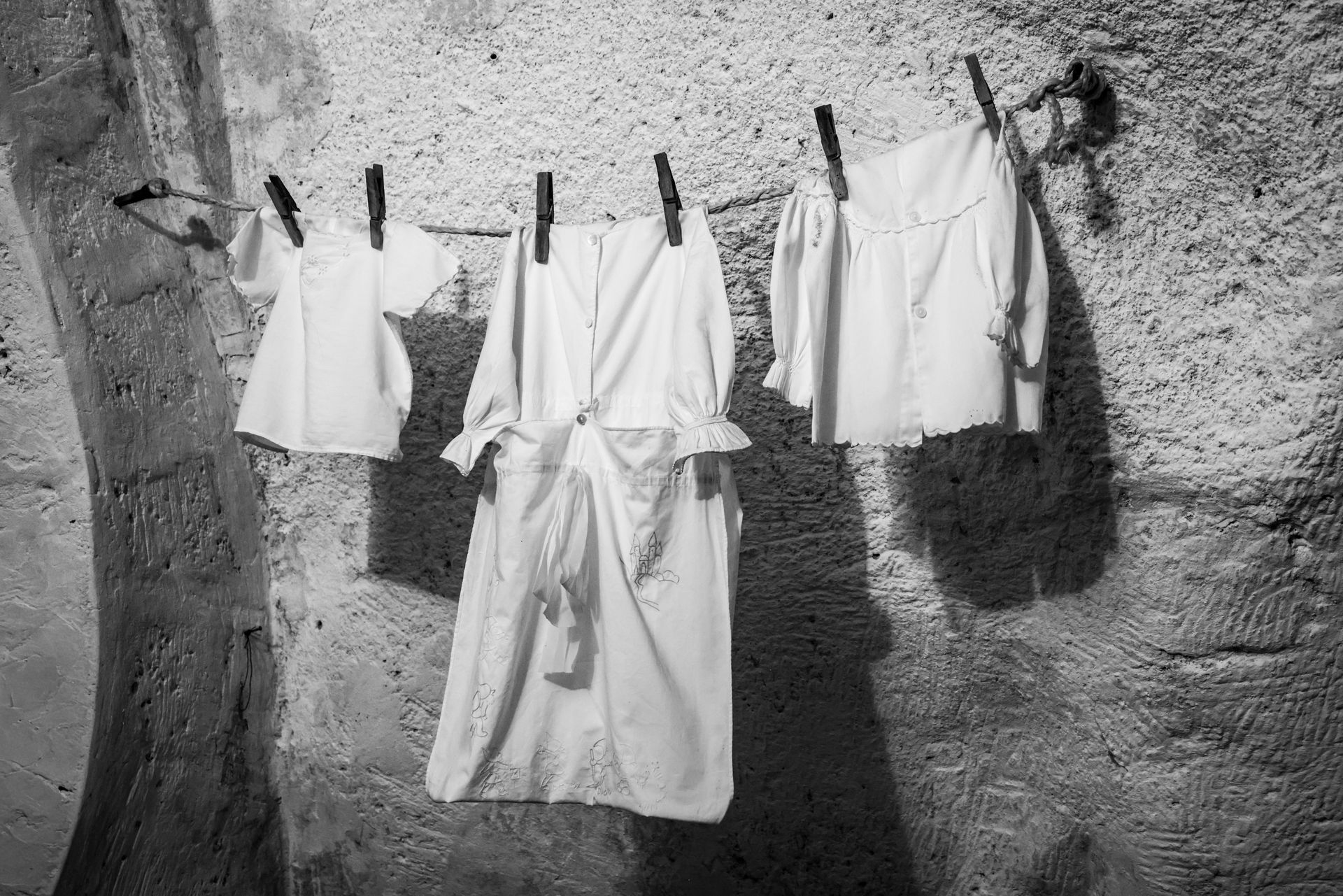
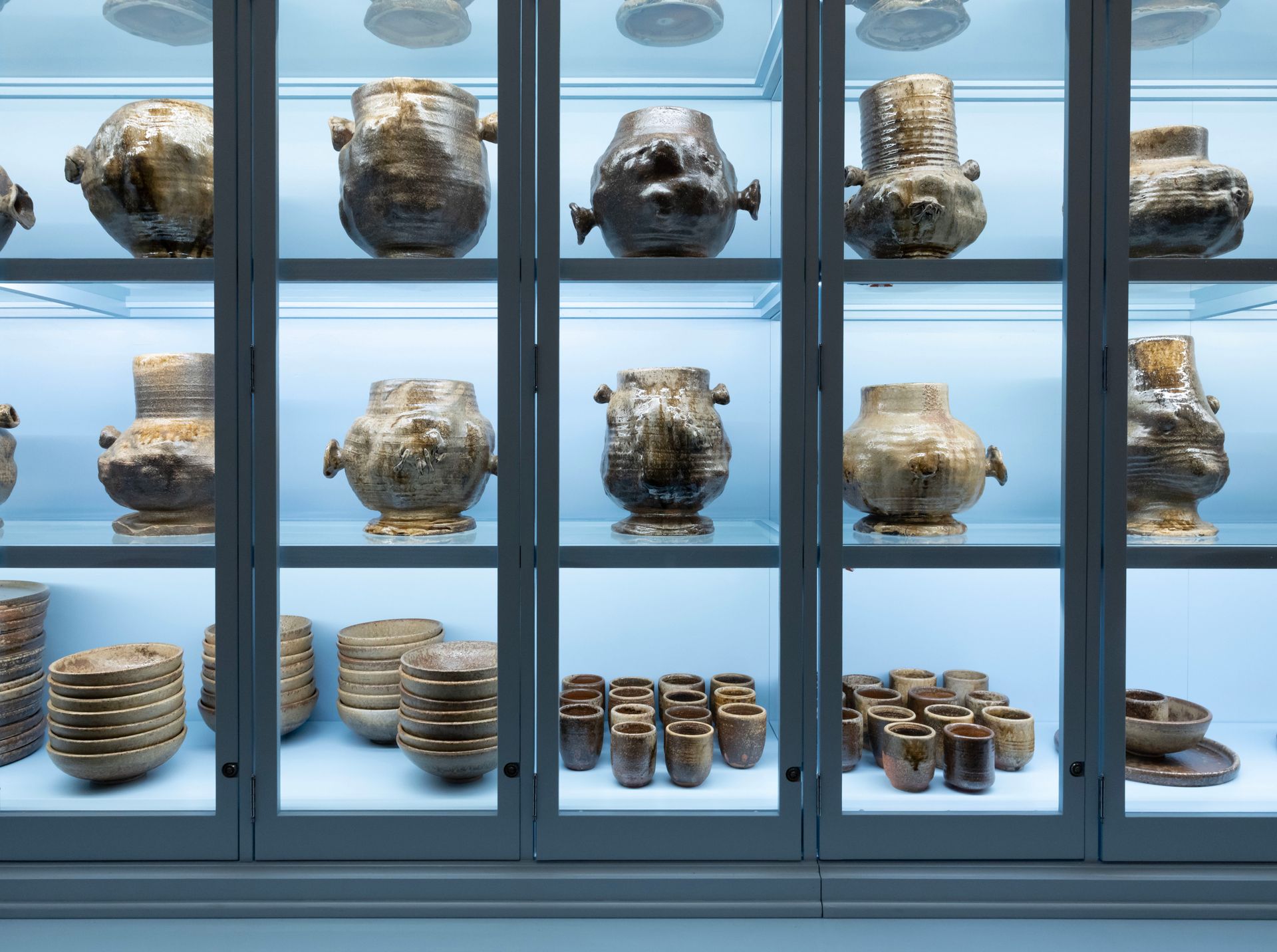
To an outside observer, these plain shrouds might seem unremarkable. Within Jewish tradition, they carry profound meaning about equality, humility, and the dignity of every human life.
At
Hillside Memorial Park and Mortuary, we have honored this custom for families since 1941. Understanding the meaning behind traditional Jewish burial garments can offer comfort and a deeper appreciation for the care with which a loved one is prepared for burial.
What Are Tachrichim?
Tachrichim are the white burial garments used to dress the deceased before a traditional Jewish burial. The word comes from a Hebrew root meaning to wrap or enclose. They are made of plain, inexpensive material, usually linen, cotton, or muslin, and are entirely white. After the ritual purification known as taharah, members of the Chevra Kadisha, the Jewish burial society, dress the body in these garments with prayer and great care.
Who Prepares the Burial Garments
The task of dressing the deceased in tachrichim falls to the Chevra Kadisha, the Jewish burial society whose name means holy society. Its members are volunteers who consider this work among the most sacred responsibilities in Jewish life. Working with quiet reverence and prayer, they treat the deceased with the same gentleness and modesty they would offer a living person. Because the one who receives this care can never repay it, the work of the Chevra Kadisha is regarded as a pure and selfless act of loving kindness, known as chesed shel emet, kindness of truth.
A Tradition of Deliberate Simplicity
The custom of simple shrouds is often traced to Rabban Gamaliel, a leading sage of the first century. In earlier times, families felt pressure to bury their dead in expensive garments, and the cost became a heavy burden, especially for the poor. Rabban Gamaliel asked to be buried in plain linen shrouds, setting an example that soon became universal practice. From that point forward, rich and poor alike were buried the same way. The tradition transformed a source of shame and inequality into one of the most egalitarian customs in Jewish life.
Equality in Death
Perhaps the most powerful message of tachrichim is equality. Regardless of a person's wealth, status, or accomplishments in life, everyone is dressed identically in death. The garments have no pockets, a quiet reminder that we carry no material possessions with us and that our worth is measured by who we were, not by what we owned. In the eyes of tradition, every soul stands equal before its Creator.
The Symbolism of White
White has long symbolized purity in Jewish tradition. Dressing the deceased in white echoes the idea that the soul returns to its source cleansed and at peace. The color also connects to Yom Kippur, the Day of Atonement, when many wear white to reflect spiritual purity and renewal. In this way, the burial garments carry a message of hope and dignity, not only of mourning.
The Components of Tachrichim
Traditional tachrichim consist of several pieces that together clothe the entire body. While customs vary among communities, a complete set generally includes a head covering, a shirt or tunic, trousers, a belt or sash, and an outer wrapping sheet that encloses the body. The garments are simple in construction and are often hand-sewn. Some traditions avoid knots in the stitching, symbolizing that the soul is not bound and is free to ascend. Because the garments are meant to be humble and equal for all, they carry no decoration, no labels, and no markings of status, only the clean simplicity of white cloth.
The Kittel and the Tallit
For many Jewish men, burial garments include the kittel, a simple white robe worn during life at moments of spiritual significance such as the Yom Kippur services and the Passover seder. Being buried in the kittel connects the themes of those sacred days to the final journey. Many men are also wrapped in their tallit, the prayer shawl used in life. One of the tallit's fringes is intentionally rendered invalid, signifying that the deceased is no longer bound by the commandments of the living. This gesture is both tender and profound, marking the transition from one world to the next.
A Reflection of Kavod HaMet
Every element of the burial garments expresses kavod hamet, the honor and dignity owed to the deceased. The care taken in dressing the body, the modesty of the garments, and the prayers that accompany the process all affirm that the person remains worthy of reverence. The simplicity is not a sign of neglect. It is the highest form of respect, treating each person as precious and equal. These values sit at the heart of all
Jewish burial traditions.
A Return to Natural Simplicity
The plainness of tachrichim reflects the same values that guide traditional Jewish burial as a whole, a gentle return of the body to the earth without barriers or excess. Made from natural, biodegradable fibers, the garments break down over time just as a simple wooden casket does. For families drawn to these principles, this ancient practice aligns closely with the modern movement toward ecological burial, which Hillside honors through our
Gan Eden green burial grounds.
Honoring Tradition at Hillside
At Hillside Memorial Park and Mortuary, we help families observe these customs with sensitivity and precision. As a community service of Temple Israel of Hollywood, we serve every level of Jewish observance and interfaith families alike, ensuring that traditional burial garments and preparations are carried out in accordance with halacha and each family's wishes. Our funeral directors are always glad to explain any part of the process, so that families understand and feel at peace with the care their loved one receives.
Learn More
If you have questions about traditional Jewish burial garments or would like to discuss planning, our compassionate team is here to help. Call
(800) 576-1994 anytime, or
contact us to learn more about our services.