Halloween is not a Jewish holiday, and Jewish tradition has never marked it. The day grew out of the Celtic festival of Samhain and later became All Hallows’ Eve, the night before the Christian feast of All Saints. For those reasons, many traditional Jewish voices have long encouraged families to sit it out. Over the decades, Jewish families have also found their own relationship with the day, one built on three things Jewish life already values: kindness, welcoming the stranger, and good food.
A holiday with a complicated history
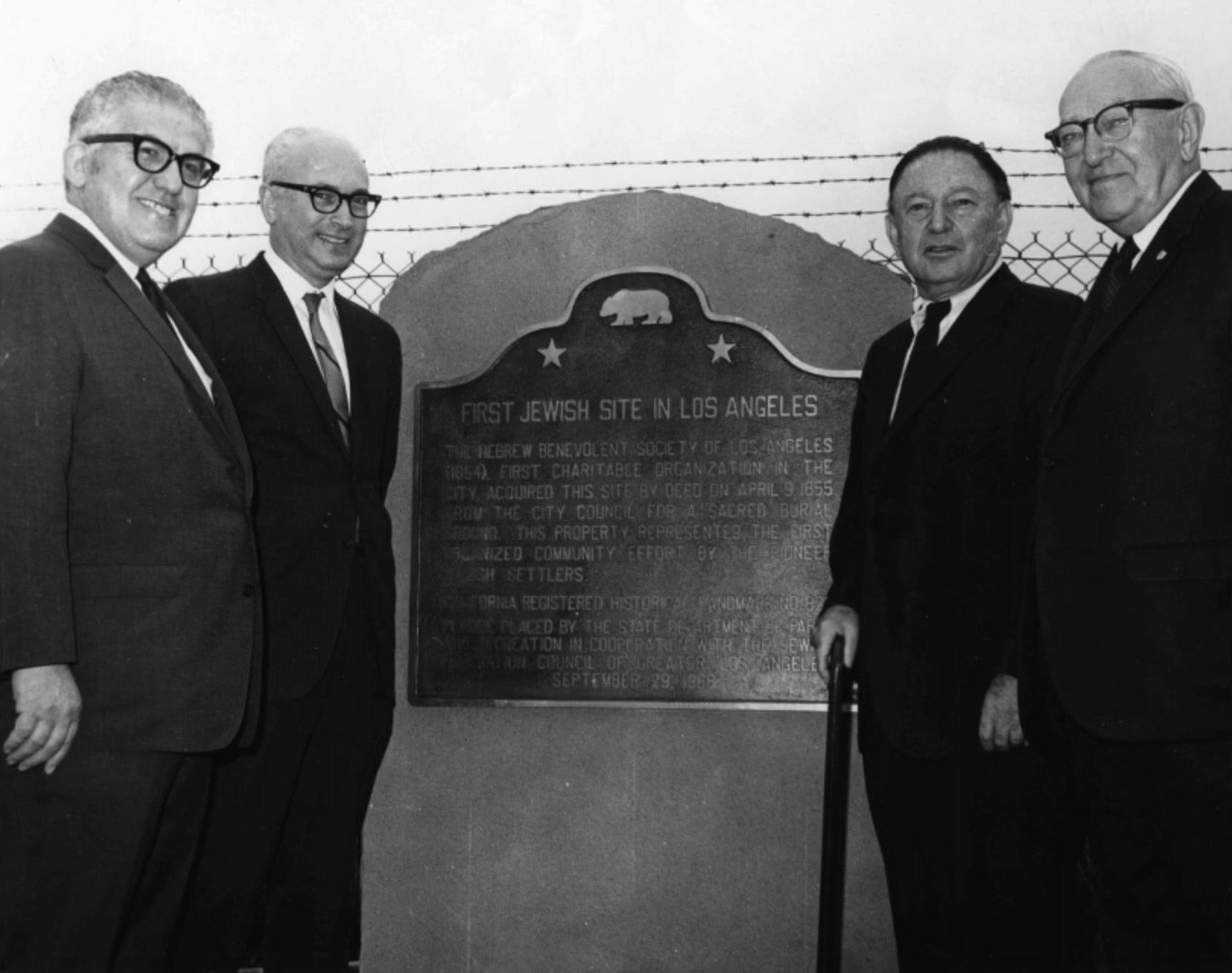
Rabbis from different movements answer the question of Halloween in different ways. Some Orthodox and Conservative authorities point to its pagan and Christian roots, its imagery of witches and spirits, and the way it can make death seem frightening, which sits uneasily with the Jewish view of death as something to meet with reverence and dignity. Other Rabbis, including some in the Conservative, Reform, Reconstructionist, and Renewal movements, view the modern holiday as largely secular and leave the decision to each family.
Each family answers the question for itself, often with guidance from its Rabbi. What nearly every perspective shares is a set of values that families can bring to the doorstep, whether or not they put on a costume.
Kindness
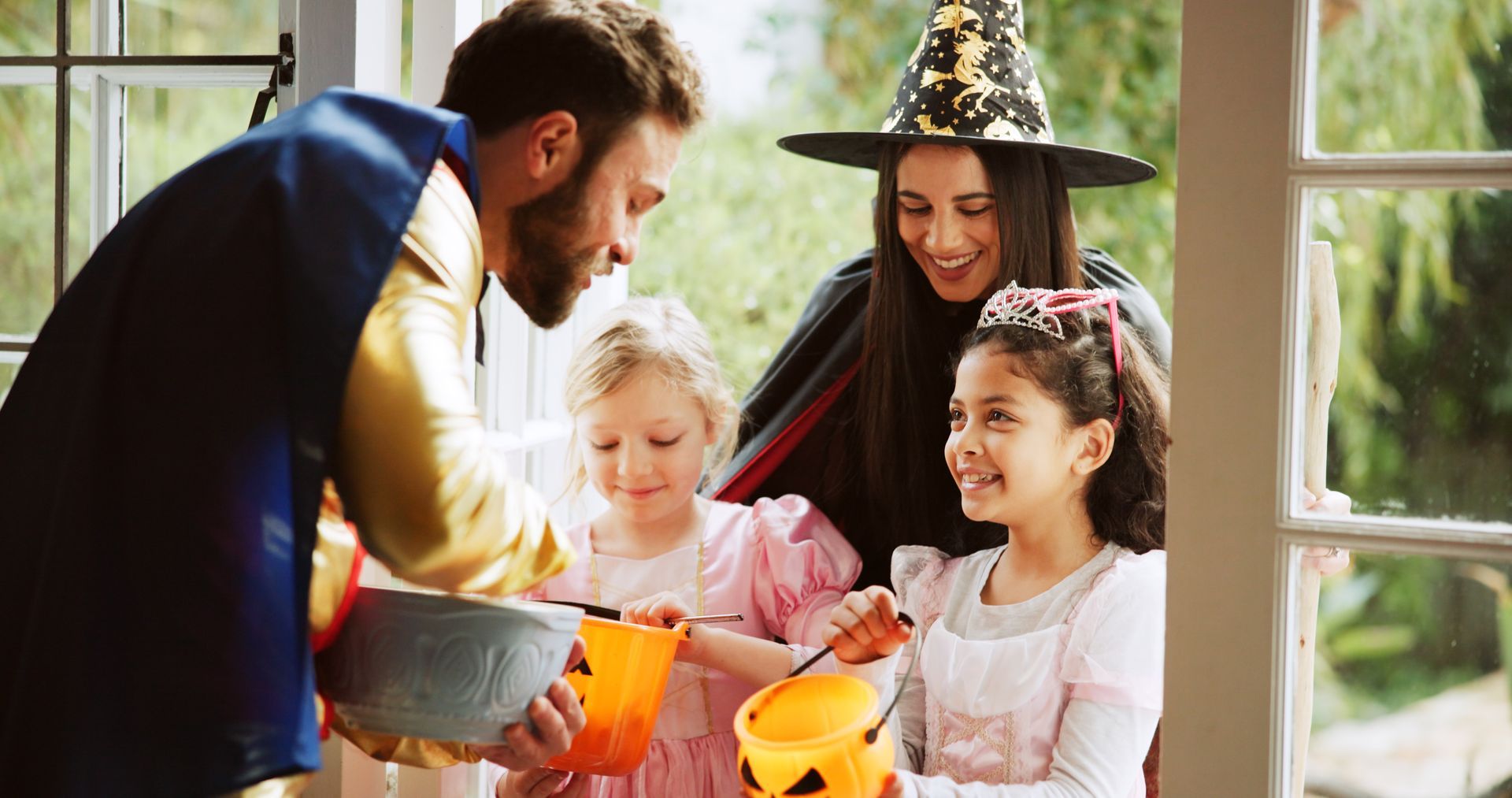
Jewish life places great weight on Chesed, acts of loving-kindness. Halloween gives children a chance to practice them in a small way: they greet their neighbors, say thank you, and share what they have collected. Some families turn the evening into an act of tikkun olam by donating part of the candy to a food drive or a hospital. One Reconstructionist Rabbi suggests exactly that, along with serving treats at home for families who prefer not to go door to door.
Welcoming the stranger
The Torah’s model of welcome is Abraham, who sat at the entrance of his tent in the heat of the day and rose to greet three strangers. The tradition of hachnasat orchim, welcoming guests, grows from that moment. A porch light and a bowl of candy carry the same spirit. Rabbis who counsel their families to stay home from trick-or-treating often add that those families should still keep candy by the door and greet the neighbors who come by, and some compare it to keeping kosher, where a person observes a practice for themselves and extends warmth to people who observe differently.
This year the connection is easy to see. The Torah portion read on Halloween is Vayera, the portion that opens with Abraham’s tent.
And of course, eating
Jewish tradition has never needed much encouragement to celebrate with food. We dip apples in honey at Rosh Hashanah, fry latkes at Hanukkah, bake hamantaschen at Purim, and send plates of food to friends and neighbors in the custom of mishloach manot. Seen this way, a doorstep full of children collecting sweets has a familiar ring.
Families who keep kosher can look for a kosher symbol on candy wrappers, and many popular candies carry one. A blessing before the first bite, shehakol, is said over most candy.
Halloween falls on Shabbat this year
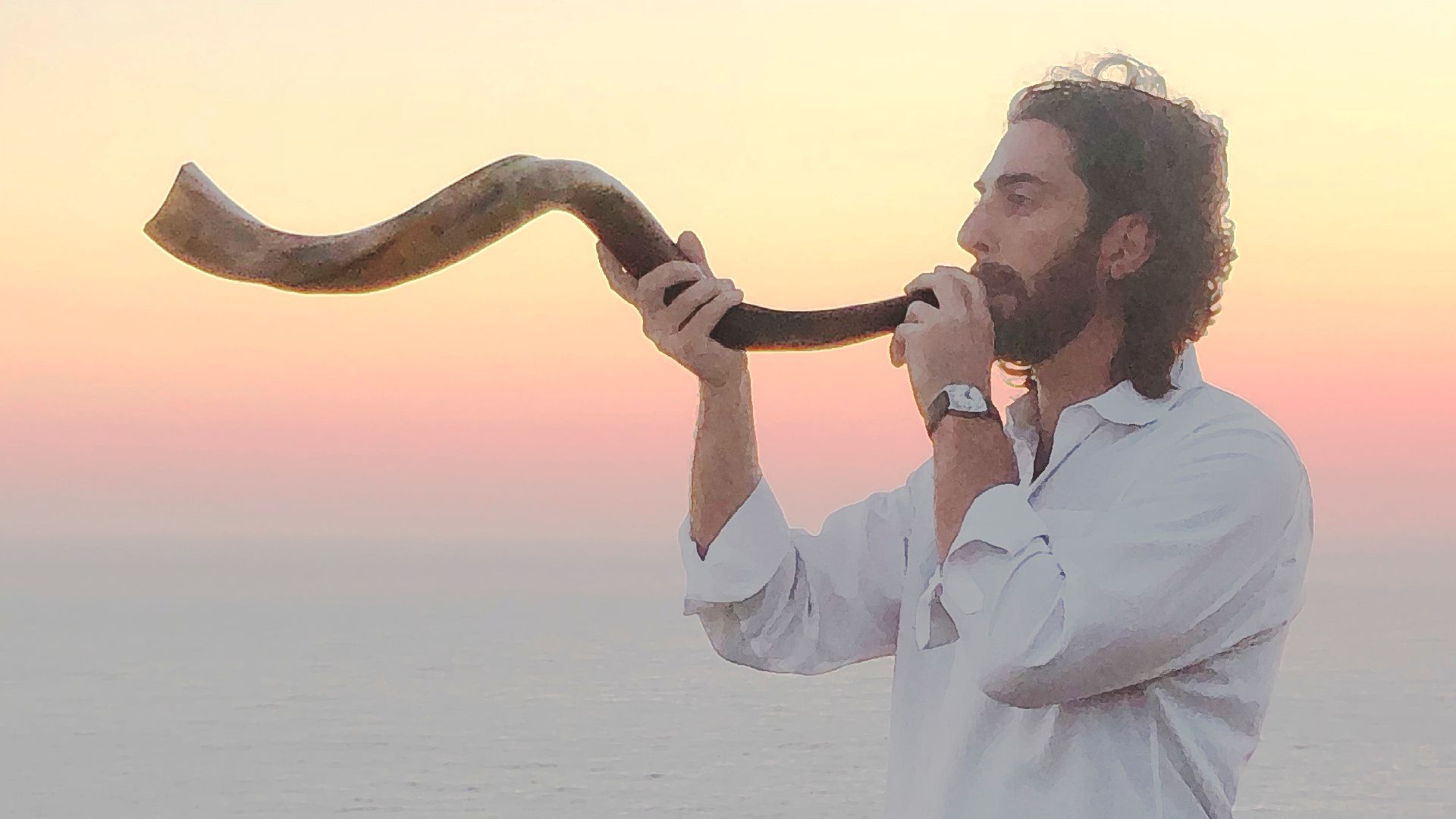
October 31 is a Saturday, which makes it Shabbat. Families who observe Shabbat will find their own way through the evening. Shabbat ends in the early evening, as the neighborhood begins to fill with trick-or-treaters, so some families will make Havdalah and then open the door.
A note for families who are grieving
For families who are grieving, this season can be especially tender. Skeletons, tombstones, and ghosts decorate many front yards, and these images can carry a different meaning for those who have recently lost a loved one. Jewish tradition approaches the cemetery with reverence, as a sacred place of remembrance, reflection, and love. As we navigate this season, may we do so with compassion, sensitivity, and respect, recognizing that even the simplest gestures of kindness can bring comfort to those experiencing loss.