Gathering in Gratitude: The Shared Spirit of Thanksgiving and Jewish Tradition

Halloween and Jewish Values
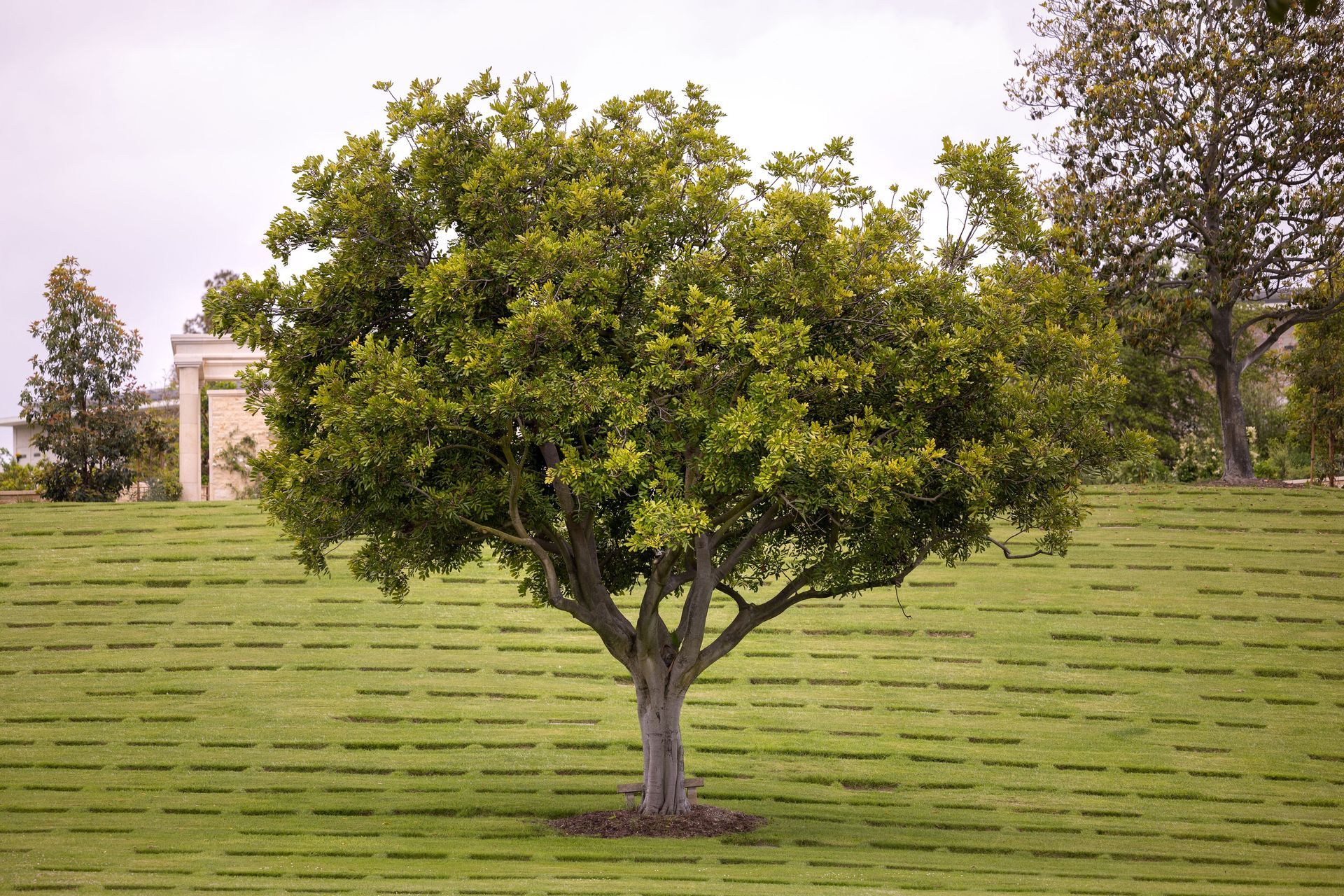
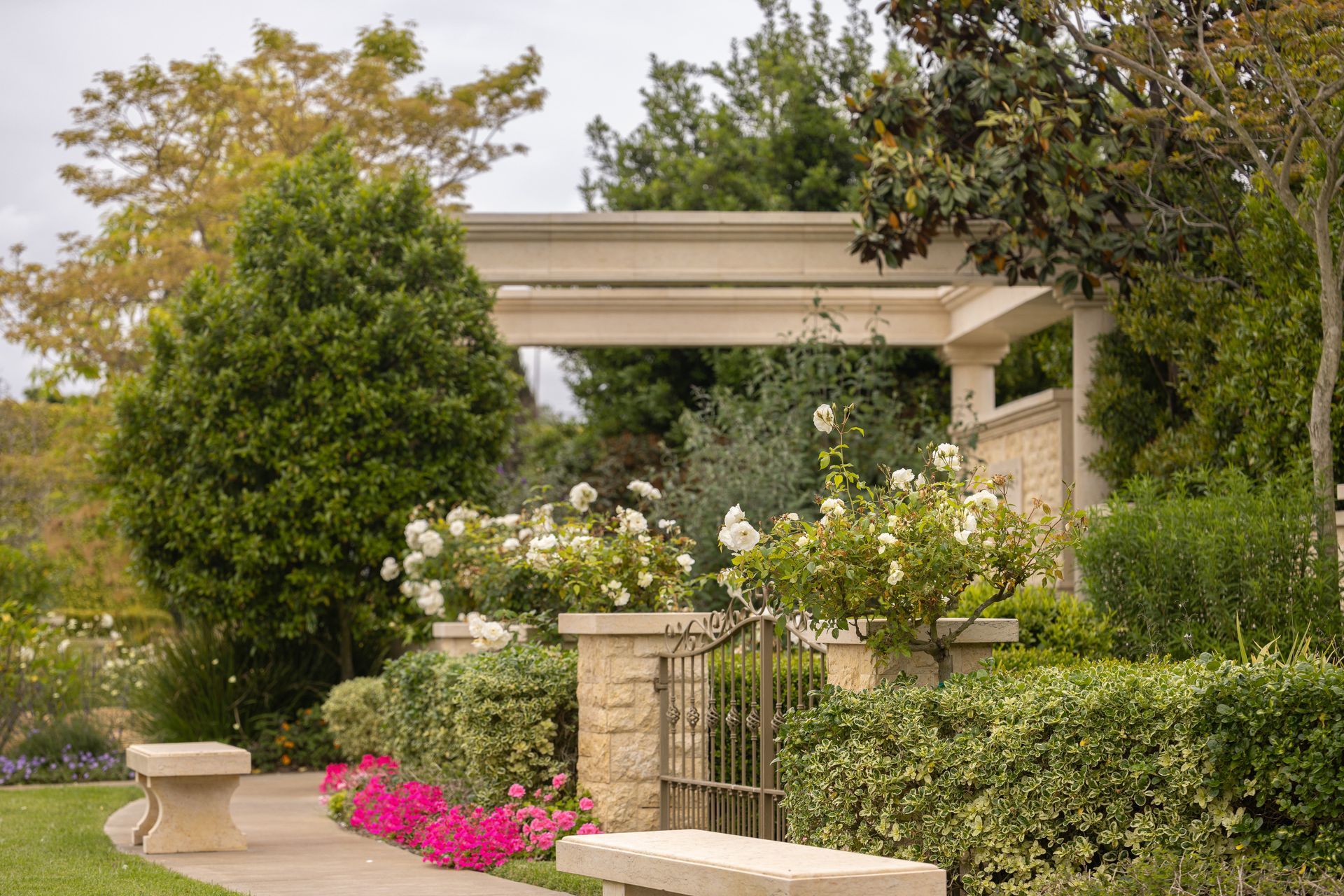
When planning for the future, one of the most meaningful decisions we make is where we or our loved ones will be laid to rest. At Hillside Memorial Park and Mortuary, we understand that every family has unique traditions, priorities, and hopes for how they wish to be remembered. That’s why we offer a wide range of cemetery options, blending timeless Jewish practices with modern considerations such as sustainability and personalization. Ground Burial: A Timeless Choice For many families, traditional ground property offers peace of mind. With the option of single or double arrangements, these graves are set across the park’s serene landscapes. Families often find comfort in knowing their loved one rests within a tranquil environment, tended with care through Hillside’s perpetual support program. Gan Eden: Green Burial for a Sustainable Legacy More and more, families are seeking environmentally conscious options. Hillside’s Gan Eden section allows for green burial, returning to a simple, natural practice. Biodegradable shrouds or caskets minimize environmental impact while honoring Jewish tradition. For those who value sustainability, this option ensures that care for the earth continues even after life. Wall and Estate Properties: Distinguished and Personal Hillside offers architecturally beautiful wall spaces made of Jerusalem stone, granite, or travertine. Families may personalize bronze markers to reflect a loved one’s story. For those seeking a private family setting, estate properties provide a shared resting place with inscriptions that speak to legacy, togetherness, and heritage. Cremation and Urn Options: Honoring Tradition in New Ways Cremation has become a meaningful choice for many families. Hillside’s Canaan Cremation Gardens provide thoughtfully designed spaces for cremated remains, from ground urn spaces and wall niches to garden boulders and companion pedestals. Families may also choose urn property in the Garden of Solomon, with a tranquil water feature adding beauty and reflection. Unique Memorials: Family Rooms, Sarcophagi, and Custom Markers For families desiring exclusivity, private family rooms and distinguished granite sarcophagi create serene and personalized spaces. Hillside also offers custom bronze and granite memorial markers, including Lasting Memories™ designs that incorporate photographic imagery—helping families tell their story in a truly personal way. Finding What’s Right for You Choosing a final resting place is deeply personal. Some families are guided by tradition, others by a desire for environmental sustainability, and still others by the wish for privacy or personalization. Whatever your values, Hillside is here to help you explore the options, ask meaningful questions, and choose a space that feels right for your family. At Hillside Memorial Park and Mortuary, every option is cared for with dignity, beauty, and respect. Together, we can create a lasting place of memory that honors your loved one and provides comfort for generations to come. To discover what’s right for you, please call (800) 576-1994 or explore your full range of cemetery options on our site today.
The story of Abraham purchasing a burial place for his wife, Sarah, is one of the earliest examples in Jewish tradition of how love, faith, and legacy intersect. More than a historical detail, this moment remains a powerful teaching about permanence, community, and the bonds that continue long after life ends. This month, we spoke with our Community Liaison, Sarah Gronlund-Jacob, about the meaning of this story and its enduring relevance today. A Sacred Beginning When Sarah, the matriarch and mother of Isaac, passed away, Abraham sought a proper place to bury her. “Abraham and Sarah were two of the first to follow the monotheistic religion,” Sarah explains. “When Sarah dies, Abraham wants to bury her, and this is the first time we get a mention in the Torah about how important it is to have a place for burial.” Abraham insisted on purchasing the Cave of Machpelah from the Hittite people, despite their willingness to offer it as a gift. “He makes it very clear that he doesn’t want to accept it as a gift. He wants to own it.” That purchase became the foundation for a lineage of burial, where not only Sarah, but Abraham, Isaac, Rebecca, and Jacob would later rest. Permanence, Place, and Peoplehood Abraham’s decision to purchase the land underscored a deeper value: permanence. “It’s a purchase he’s making not only for his loved one, but with the intent that he’s going to be buried there as well,” Sarah notes. In doing so, Abraham tied his family’s story to a physical place, creating a tangible connection between memory and land. “When you purchase cemetery property,” Sarah adds, “it’s not for the person being buried, it’s for the people going to visit the person being buried.” In this way, the act symbolized not just ownership but also identity, anchoring a people’s history in a sacred space. From Ancient Story to Living Tradition Though the Torah story itself is rarely referenced in modern ritual, its themes echo through Jewish practice today. “It solidifies the importance of burial, and then also being able to visit the people that you have buried,” Sarah says. These traditions live on in rituals like Yizkor remembrance services during the major holidays of Passover, Sukkot, and Shavuot. Each of these moments calls the community back to their loved ones’ graves and underscores that remembrance and presence are inseparable from Jewish life. Relevance Across Generations For Sarah, the story also resonates with contemporary Jewish life, even for those who may be more secular. “Judaism has a history of displacement,” she explains. “By burying your deceased in the places where you are, you’re also building a connection to those new places.” Just as Abraham established permanence in the Land of Israel, Jewish families have created continuity wherever they have lived, whether in Europe, North Africa, or America. As Sarah reflects, “Many people don’t have a connection to Israel, so why would you be buried there when you could be buried right here? It connects future generations to the place where their lives are.” Honoring Life Through Legacy Fittingly, the Torah portion that recounts this story is called Chayei Sarah—“The Life of Sarah.” As Sarah observes, “It’s interesting that the first thing that happens in the ‘Life of Sarah’ portion is that she dies. The conclusion of life is what helps you celebrate the life that was lived, because when somebody passes away, that’s when you acknowledge the whole life they had.” Abraham’s act of purchasing the grave for Sarah reminds us that legacy is not only about the life we live but also about the way we are remembered, honored, and carried forward by those who come after us. Helping families create fitting memorial spaces for their loved ones to memorialize their loved ones and cement their legacy for the next generation. We invite you to reach out and begin the conversation about preserving your legacy by calling (800) 576-1994 or visiting us on our site .
As the Jewish year of 5786 approaches, Hillside Memorial Park and Mortuary is honored to share our new annual calendar—created to help our community observe Jewish holidays, weekly parshiyot , candle lighting times, and other moments of meaning. This year’s calendar is built around a theme that feels especially poignant: Hatikvah —“The Hope.” The title of Israel’s national anthem, Hatikvah carries a resonance that has only deepened in the wake of the ongoing tragedies in Israel. It is more than a song; it is a promise and a prayer, echoing through our traditions and reminding us that hope is not passive. It is an active, sustaining force that binds us together, even in times of uncertainty. As we turn its pages, the calendar invites us to move through time with intention—not only marking days and seasons, but honoring the moments that give Jewish life its rhythm and depth. From the Torah’s first image of God dividing the waters, to the parting of the Sea of Reeds, water flows as a powerful thread through Jewish history. It is a symbol of renewal, resilience, and the promise of growth. Just as water nourishes the earth, hope nourishes the soul—quietly persistent, deeply powerful, and capable of shaping the landscape of our lives. In the year ahead, may we look for the moments of hope that make us stronger. May that hope—like water—flow freely, bringing healing, possibility, and connection to all it touches. We are pleased to provide you with a complimentary Jewish calendar for 5786. Hillside’s calendar will help you observe Jewish holidays, weekly Parsha, candle lighting times, and other important traditions.
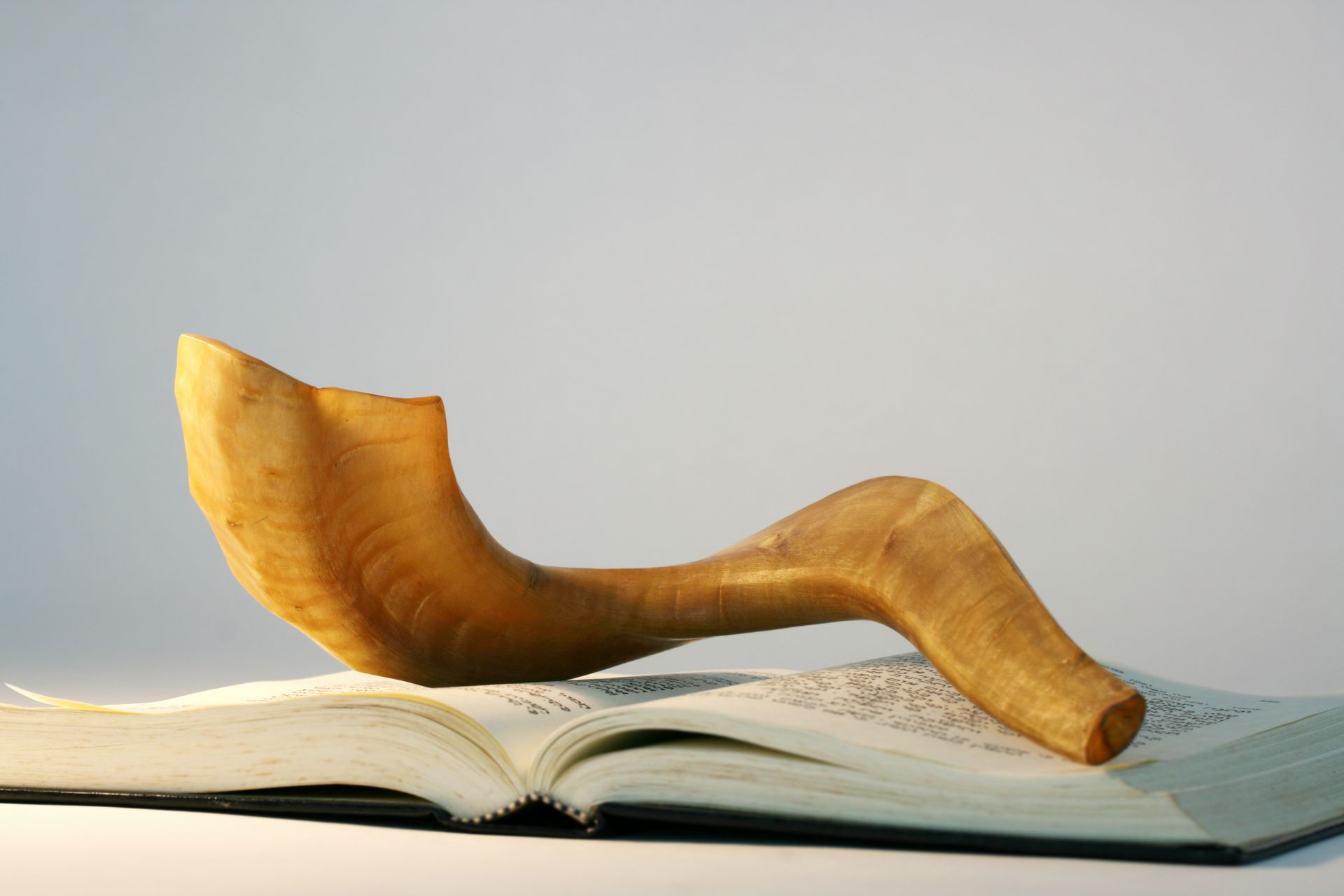
As the Jewish year of 5786 approaches, the turning of the calendar offers more than just a date change—it invites us into a sacred cycle of learning, reflection, and growth. In Judaism, each year is an opportunity to reconnect with our traditions, our community, and ourselves. Hillside Memorial Park and Mortuary spoke with Sarah Grondlund Jacob, our Community Liaison, to explore the deeper meaning of this moment in the Jewish year, as well as how this year’s calendar theme, Hatikvah —“The Hope”—inspires us to move forward together. A Year in the Life of the Torah At its most fundamental level, the Jewish year represents a complete cycle of reading the Torah from beginning to end. “The one thing that always happens,” Sarah explains, “is that it starts and ends with the beginning and the end of the Torah. And each week, we progress one Torah portion forward.” This steady rhythm ties the passage of time to the foundation of Jewish life and ensures that, throughout the year, we encounter the full breadth of Jewish teaching—whether or not the Torah portion aligns with the season in which the events took place. Marking Time by the Moon The Jewish calendar follows the lunar cycle, with each new month beginning at the Rosh Chodesh —the appearance of a new moon. Sarah notes the beauty of this symbolism: “It’s not actually a new moon; it’s the same moon that was just a sliver a few days ago. It disappears, but we have this confidence it will come back.” Unlike the unchanging sun, the moon waxes and wanes, reminding us that change and renewal are part of life. This cycle shapes not only our months but also the timing of our holidays, weaving the natural world into the spiritual rhythm of the year. Preparing the Heart for the New Year While Rosh Hashanah marks the formal beginning of the Jewish year, preparation begins a month earlier during Elul . This is a time for self-examination and tshuva —returning to one’s best self. “You have the ability to go to someone you’ve hurt, say you’re sorry, and change for the better,” Sarah says. “You’re not stuck in a cycle of hurting someone again and again.” The practice of seeking forgiveness, making amends, and setting intentions for the year ahead transforms the High Holy Days into a deeply personal journey toward growth and reconciliation. The Enduring Power of Hope This year’s Hillside calendar takes inspiration from Hatikvah , Israel’s national anthem, whose name means “The Hope.” For Sarah, the theme resonates beyond national borders. “Even now that we have Israel as a homeland, it’s not guaranteed—it’s something we continue to hope for and nurture. That hope keeps going.” She reflects on the idea of Jewish “peoplehood,” which transcends geography and observance levels: “We are still the same people, even with differences. The hope is for the continuation of this peoplehood.” Looking Ahead with Intention As we begin 5786, the Jewish New Year invites us to embrace the cycles that define our lives—of study, of renewal, of relationship, and of hope. Whether we look to the steady return of the moon, the rhythm of Torah readings, or the call of Hatikvah , each offers a reminder that the year ahead is a gift and a responsibility. We invite you to begin the new year with our 5786 calendar to mark Jewish holidays throughout the year, parsha candle lighting times, and more.
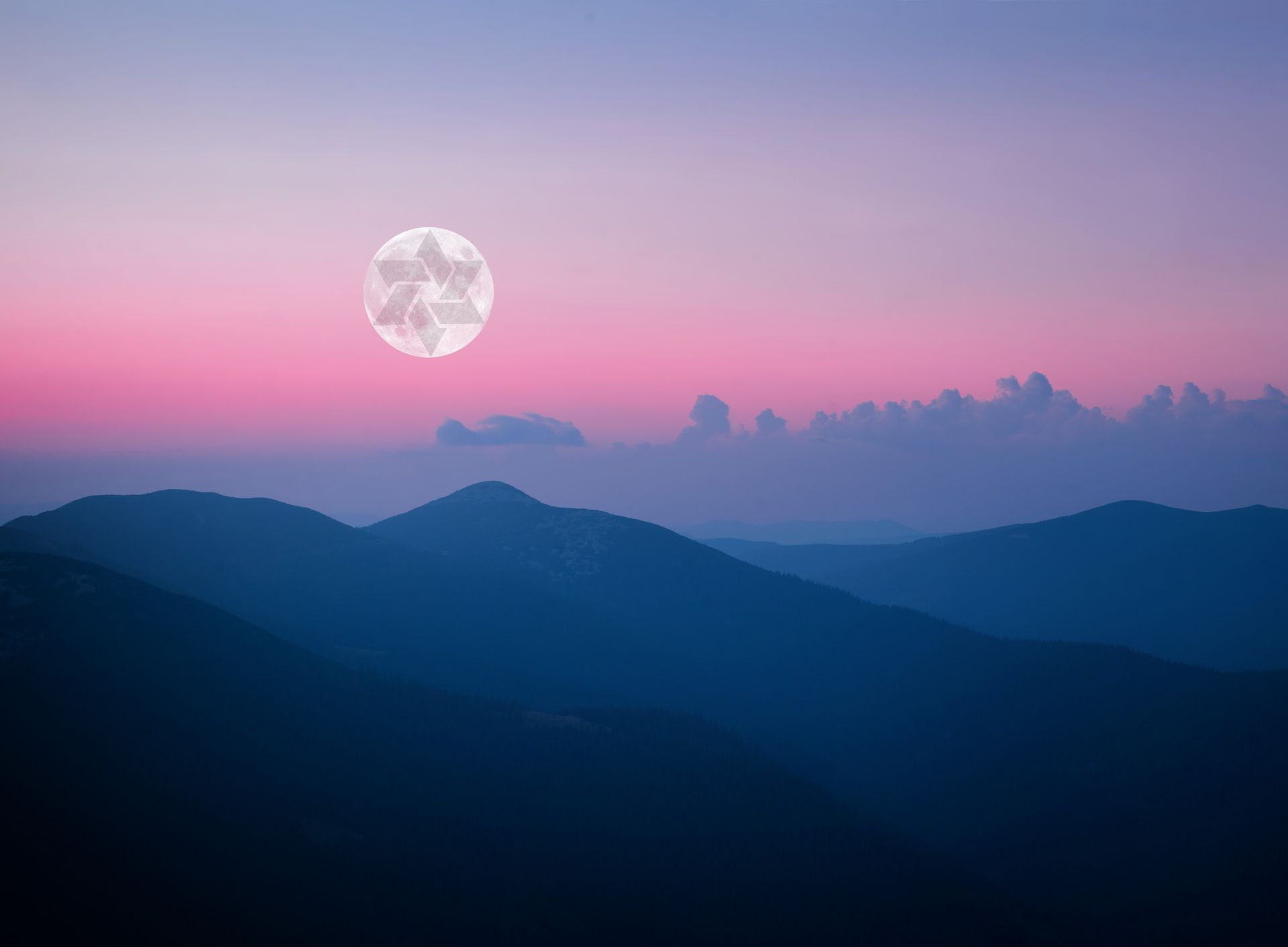
As the Jewish community prepares to welcome the year 5786, you may find yourself double-checking your calendar and asking a familiar question: “Wait, wasn’t Rosh Hashanah in September last year?” The short answer? It was. And it will be again… just not on the exact same Gregorian date. At Hillside Memorial Park and Mortuary, we understand how sacred time is in Jewish life. It guides how we remember, how we mourn, and how we celebrate. As we approach the High Holy Days, we wanted to share a brief explanation of why Jewish holidays “move” each year and why, in reality, they don’t. The Jewish Calendar: Same Same but Different The key to understanding the shifting dates is remembering that the Jewish calendar is a lunar calendar. That is, it’s based on the cycles of the moon, not the sun. While the Gregorian calendar used in everyday life is solar (365 days, give or take a leap year), the Jewish calendar counts months that begin with each new moon, making them about 29 or 30 days long. Twelve lunar months add up to about 354 days: 11 days shorter than the solar year. That difference might not seem like much, but over time, it would throw the holidays completely out of sync with the seasons. Passover, which must fall in spring, would slowly migrate through winter, fall, and summer. To solve this, Jewish tradition adds a leap month: a second month of Adar seven times every 19 years. This complex system keeps the calendar aligned with both the moon and the seasons, ensuring holidays stay rooted in their traditional contexts. A favorite joke captures the spirit of this calendar confusion: "When is Chanukah this year?" "Same as always—the 25th of Kislev !" Indeed, Jewish holidays always fall on the same date on the Jewish calendar, but since that calendar shifts in relation to the Gregorian one, holidays appear to “move” from year to year. Sacred Mathematics and Ancient Intent Today, we rely on calendars, algorithms, and smartphone reminders to track these changes. But in ancient times, the Sanhedrin would declare the start of a new month after reliable witnesses observed the new moon. It was a communal, spiritual, and even judicial act to mark time in accordance with sacred rhythm. Later, in the 4th century CE, Hillel II introduced a mathematically fixed calendar system that we still follow today. This calendar even accounts for practical concerns—such as ensuring Yom Kippur doesn’t fall too close to Shabbat, or that Hoshanah Rabbah doesn’t land on a Saturday, which would interfere with its observance. One Calendar, Many “New Years” Interestingly, while Nissan is considered the first month of the Jewish calendar (because Passover commemorates the beginning of Jewish freedom), the New Year itself—Rosh Hashanah—falls in Tishri, the seventh month. This mirrors the way many secular calendars work: the fiscal year might start in July, the academic year in August or September, and the Gregorian year in January. So as we look forward to the High Holy Days and the start of 5786 this Tishri, it’s worth remembering that the Jewish calendar doesn’t drift—it dances. It reflects a deep reverence for both cosmic cycles and practical life, just as our traditions ask us to honor the past while embracing renewal. At Hillside Memorial Park and Mortuary, we are proud to uphold these sacred traditions and rhythms as we support our community through every season of life. Shana Tova. May the year 5786 bring you sweetness, peace, and meaning. As we enter this new year, we are pleased to provide you with a complimentary Jewish calendar for 5786. Hillside’s calendar will help you observe Jewish holidays, follow the weekly parshah, keep track of candle lighting times, and honor other important traditions throughout the year.
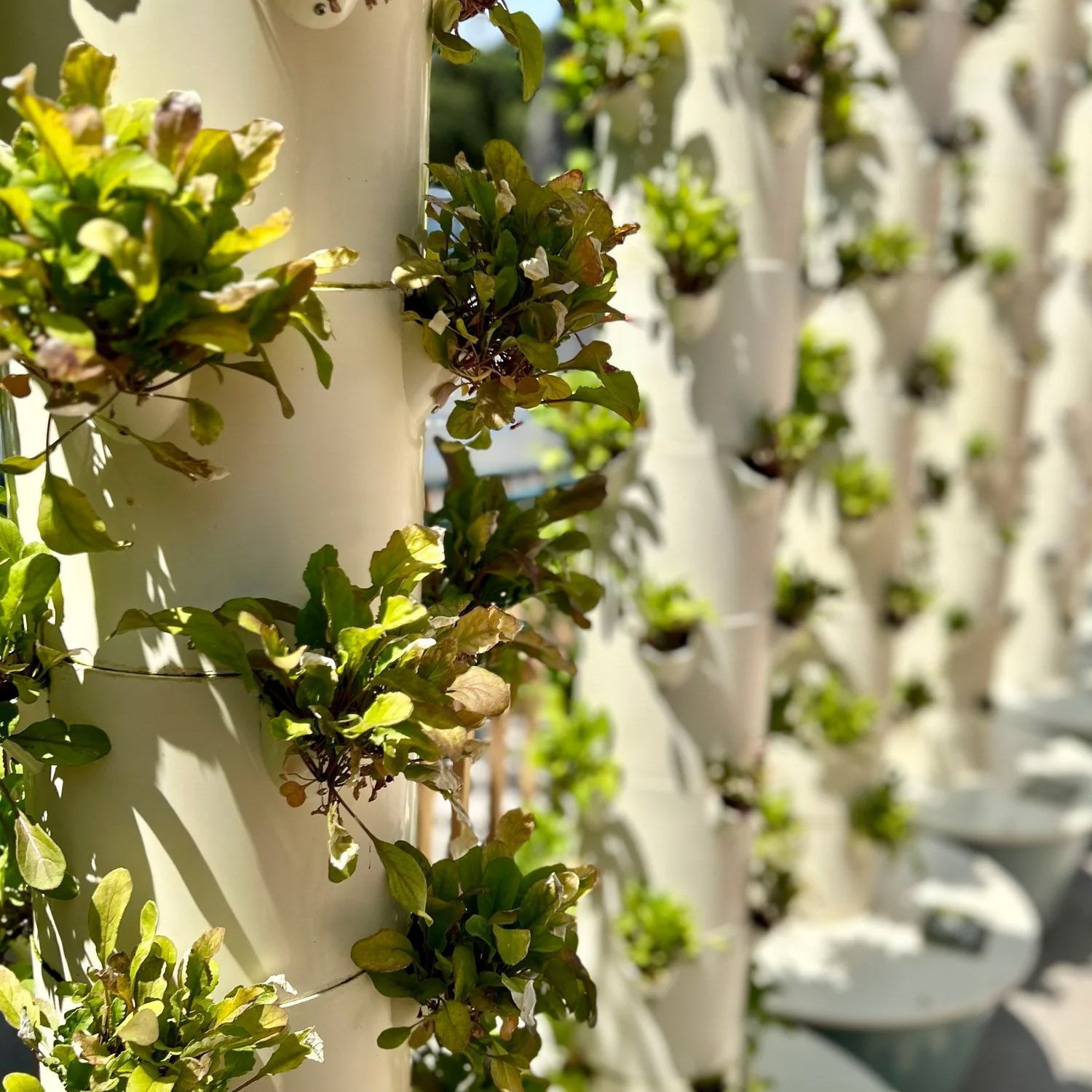
Hillside Memorial Park partners with Shemesh Farms to support dignity, inclusion, and healing through farming and meaningful community engagement.
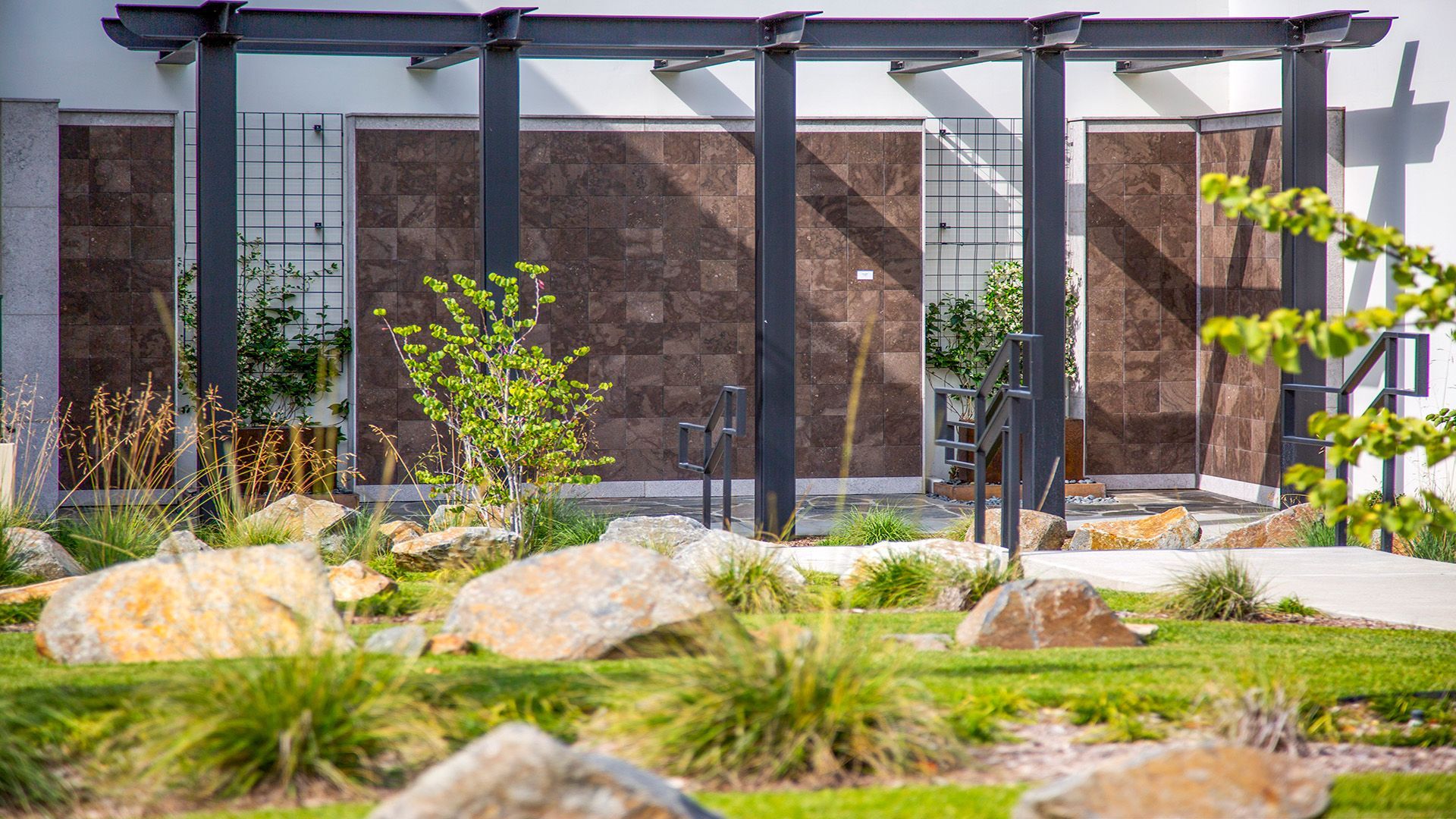
At Hillside Memorial Park, green burial honors Jewish tradition and environmental values with natural materials and a return-to-earth philosophy.
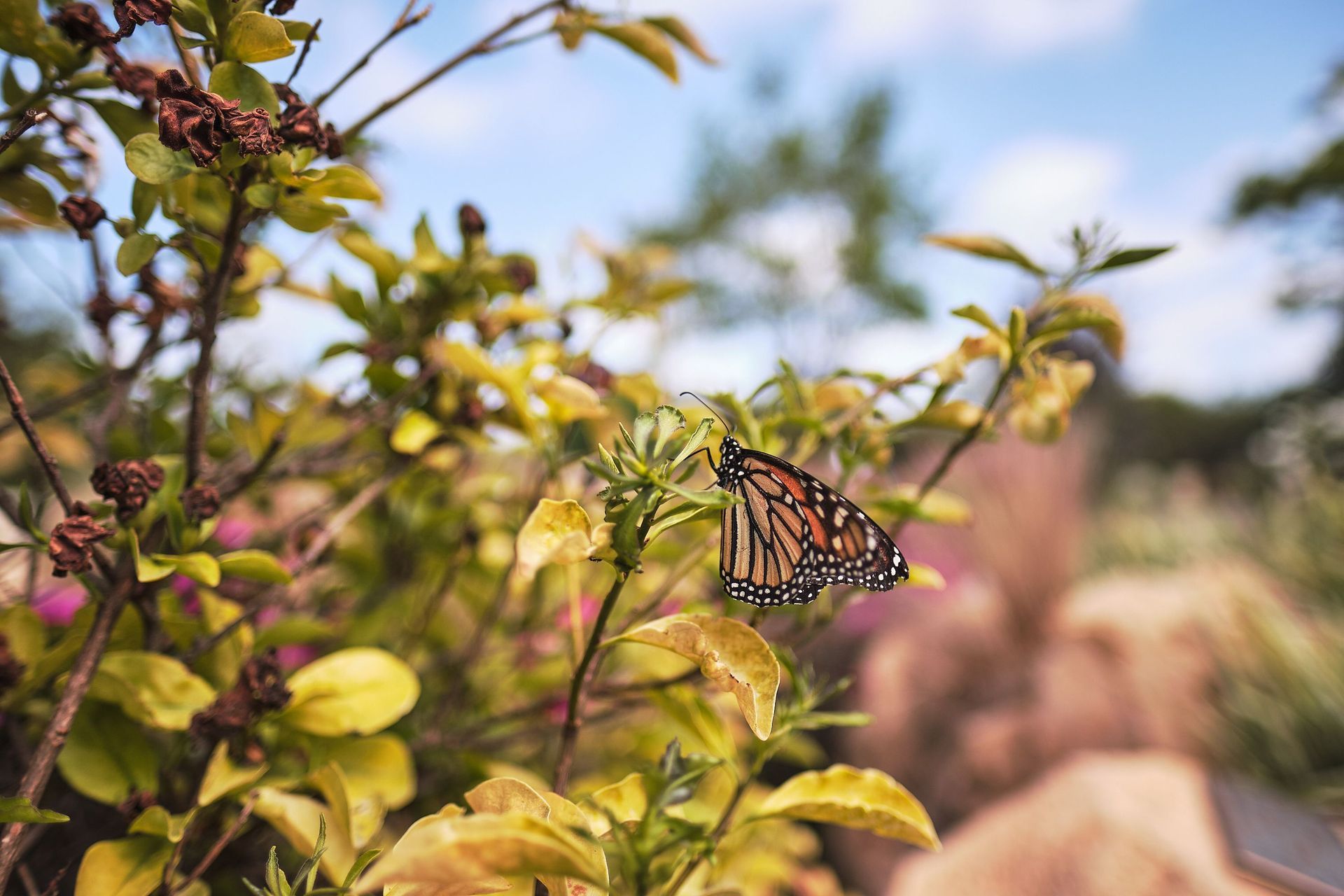
Hillside Memorial Park blends beauty with sustainability—honoring Jewish values through water conservation, solar energy, and eco-conscious memorial care.